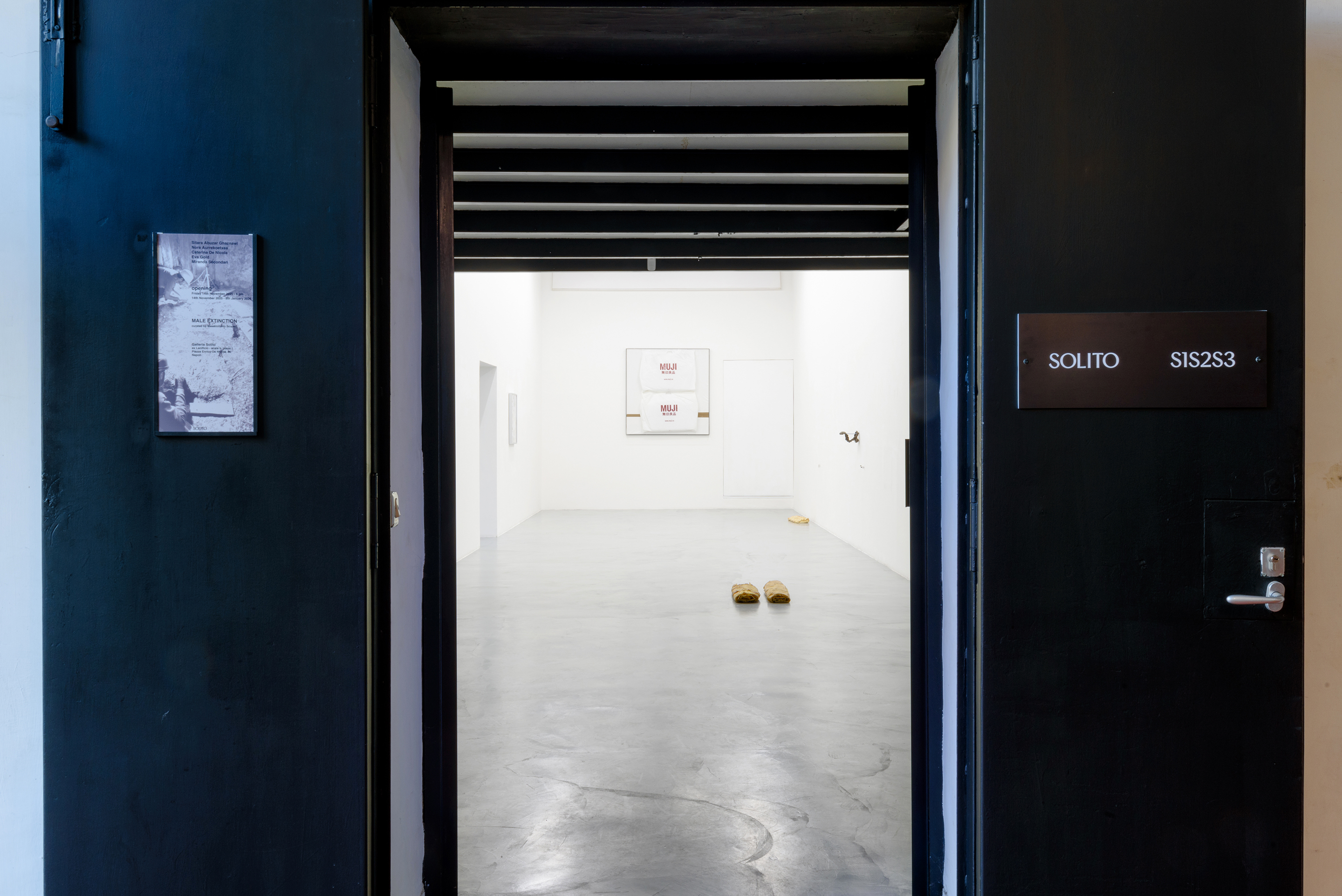
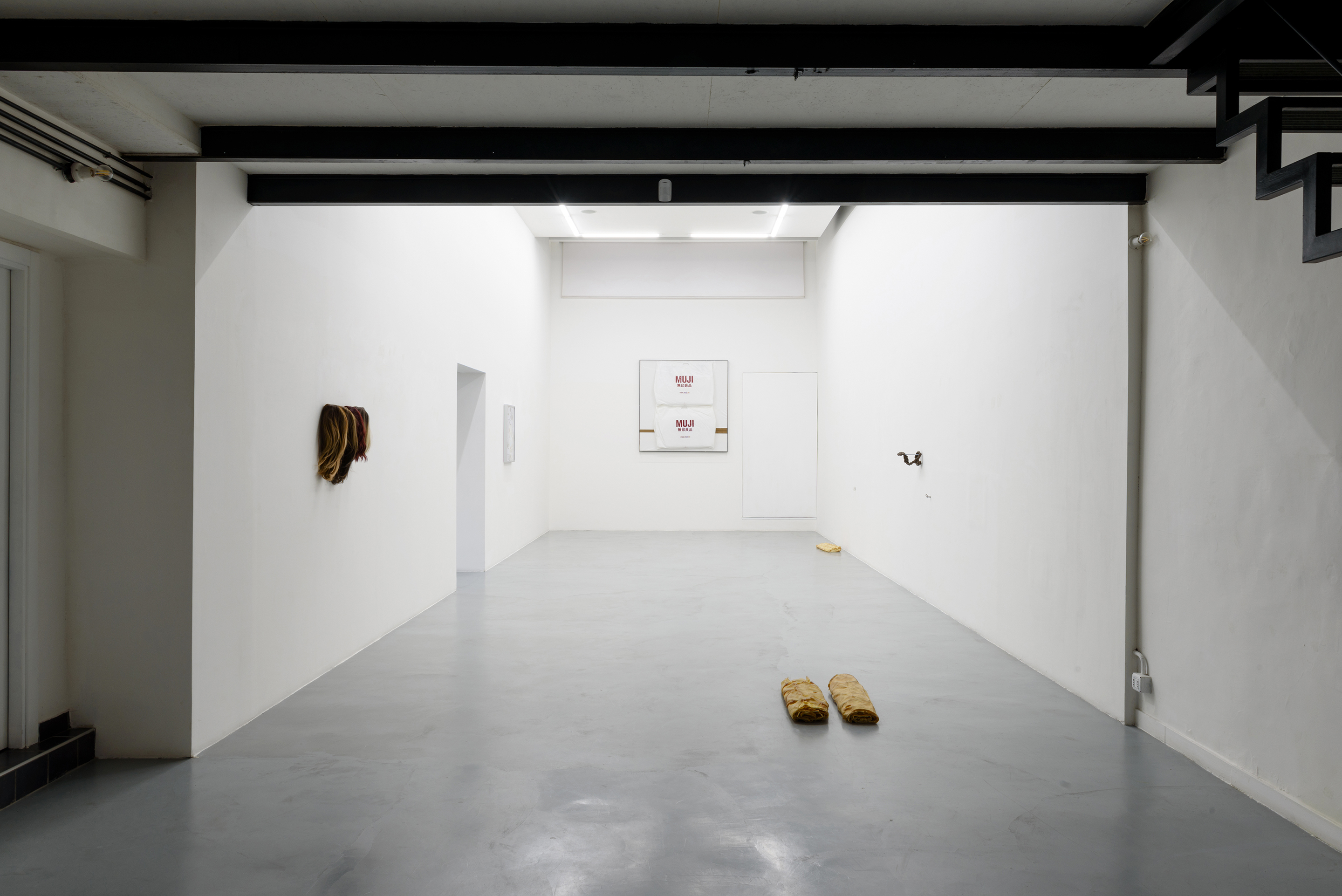
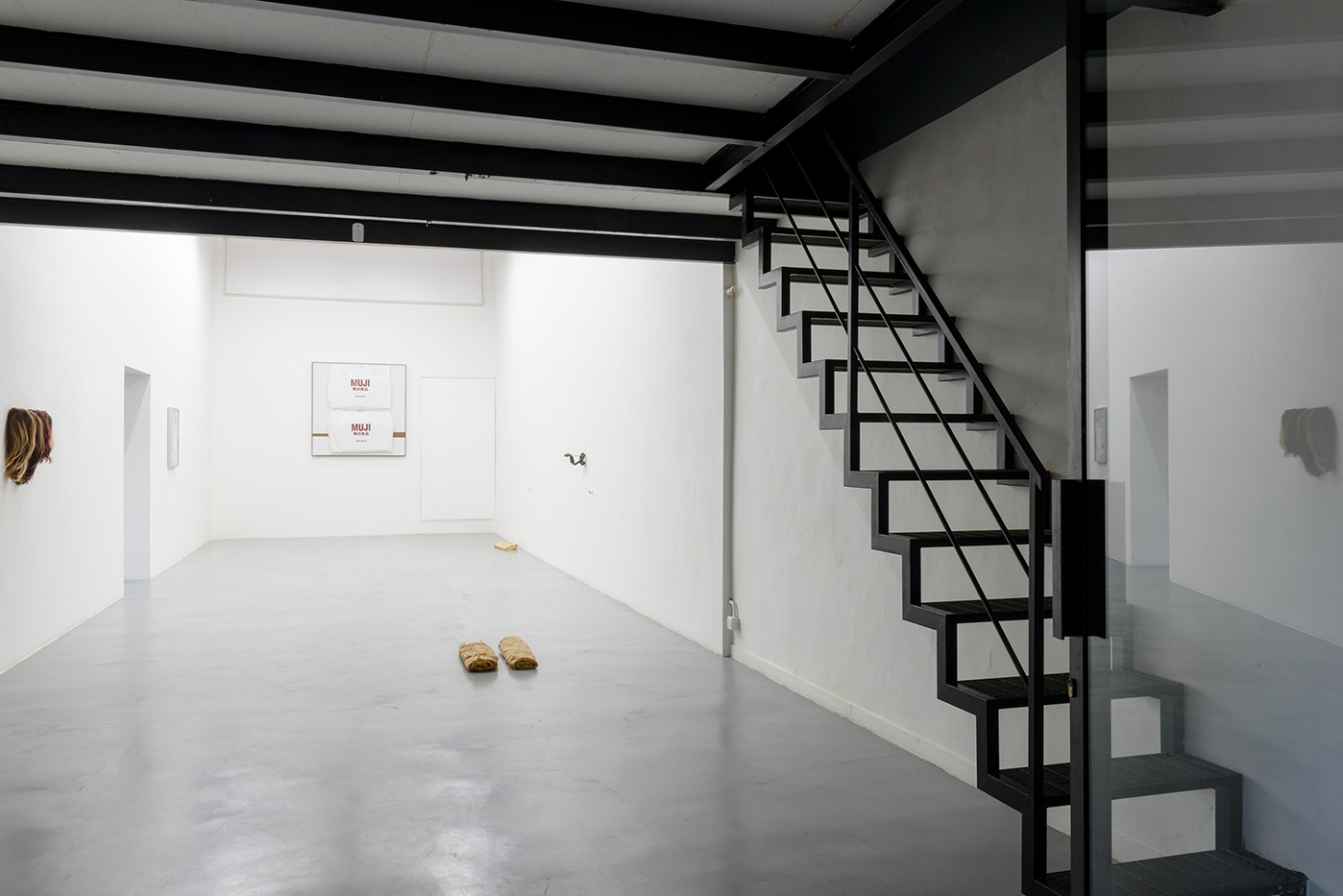
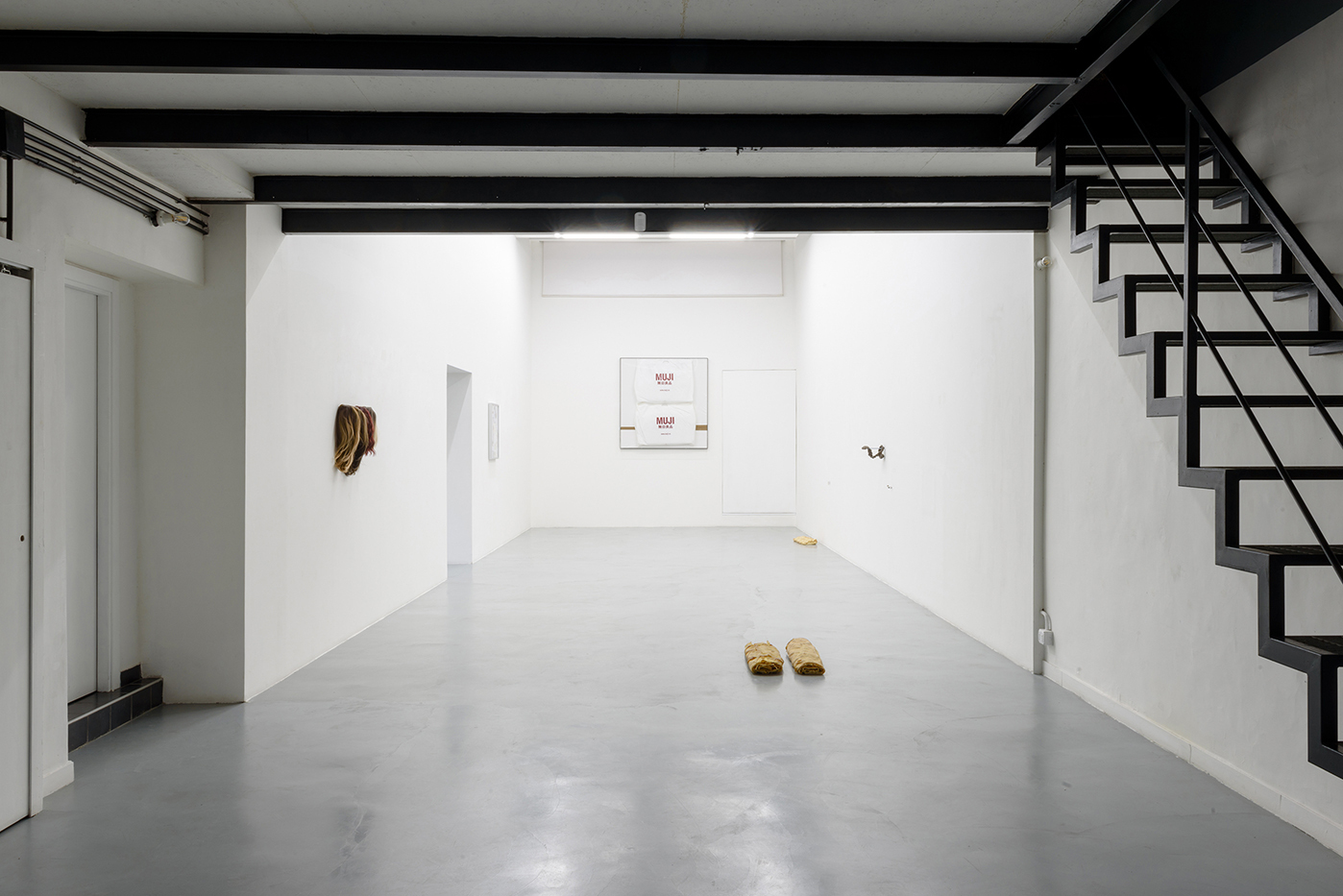
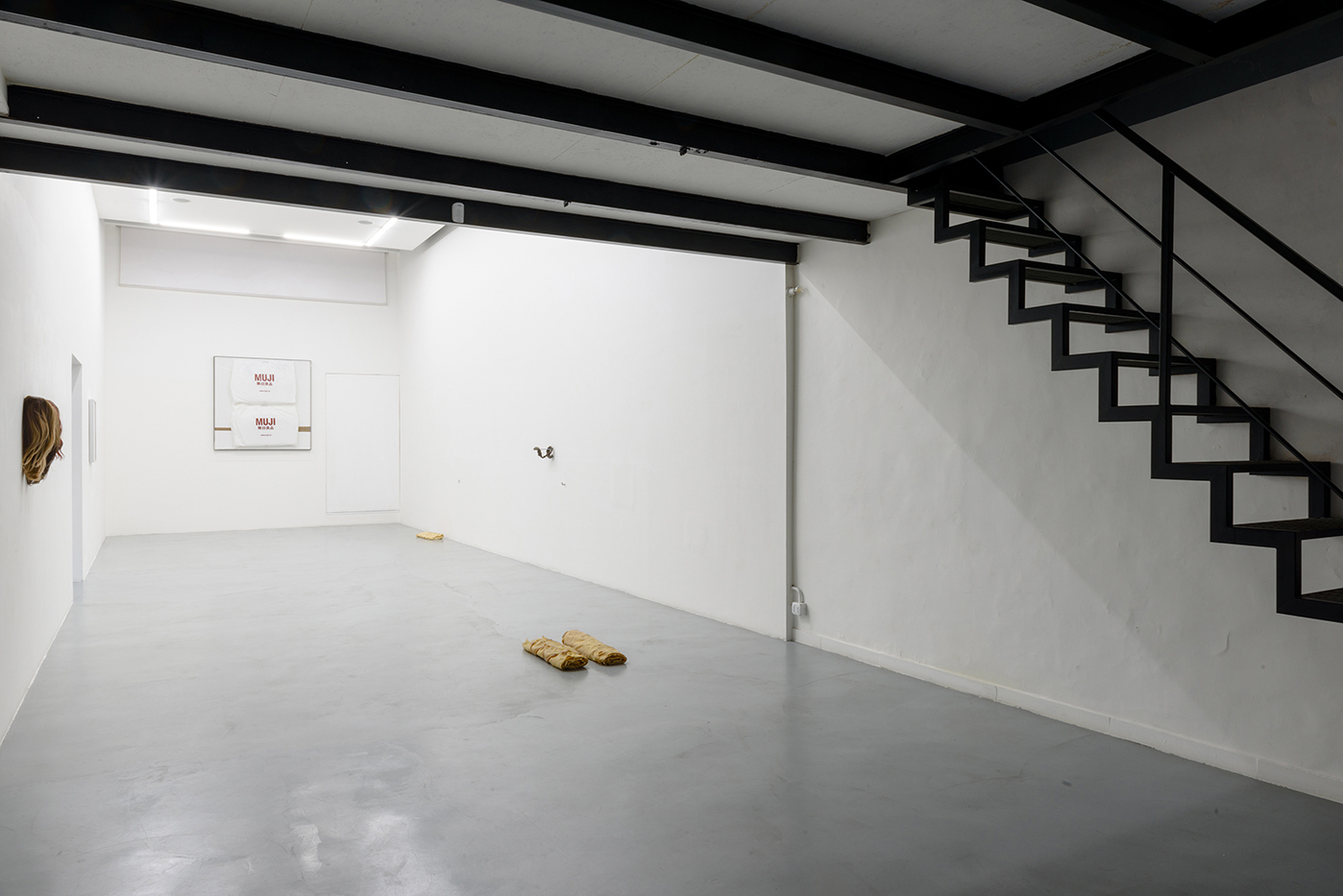
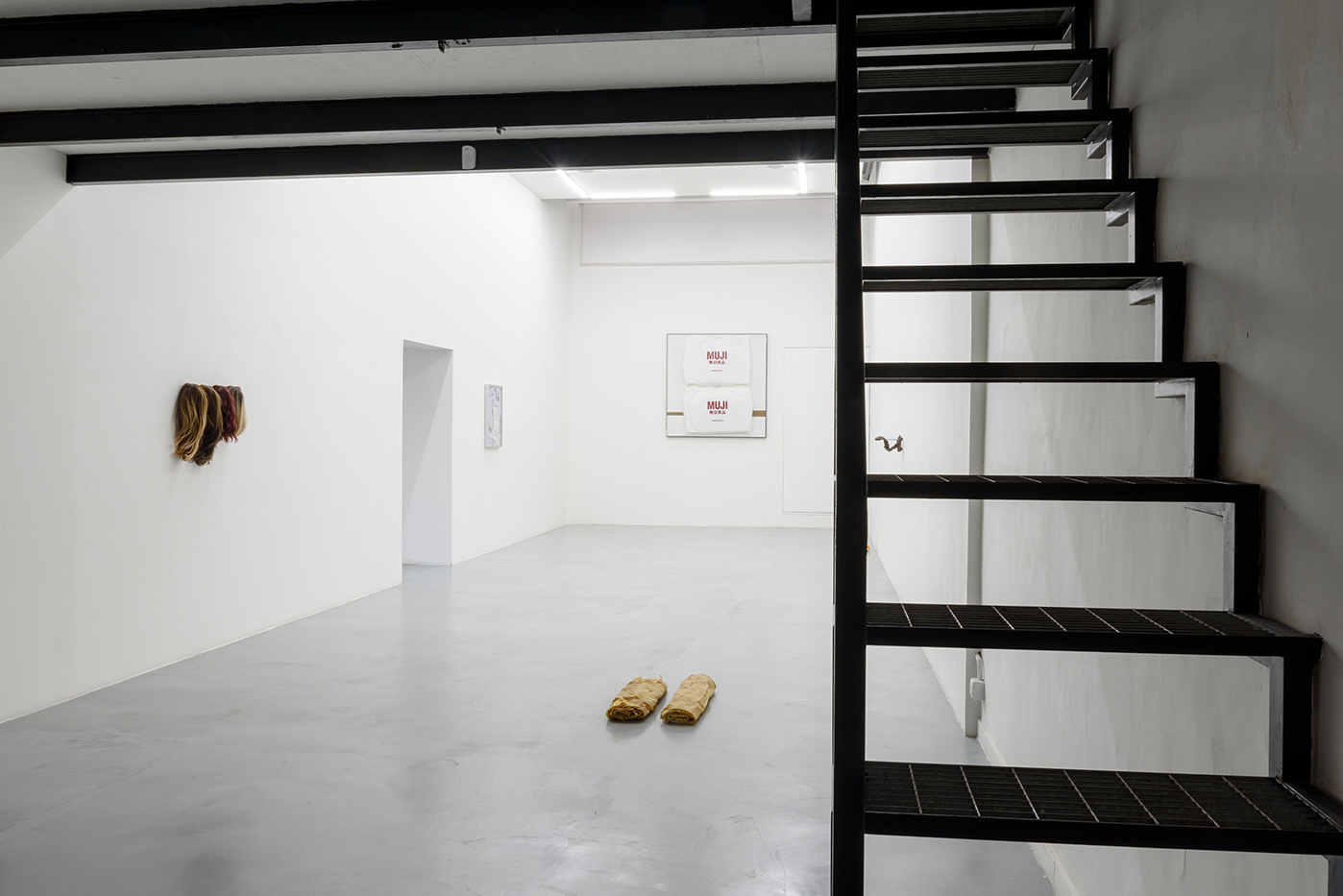
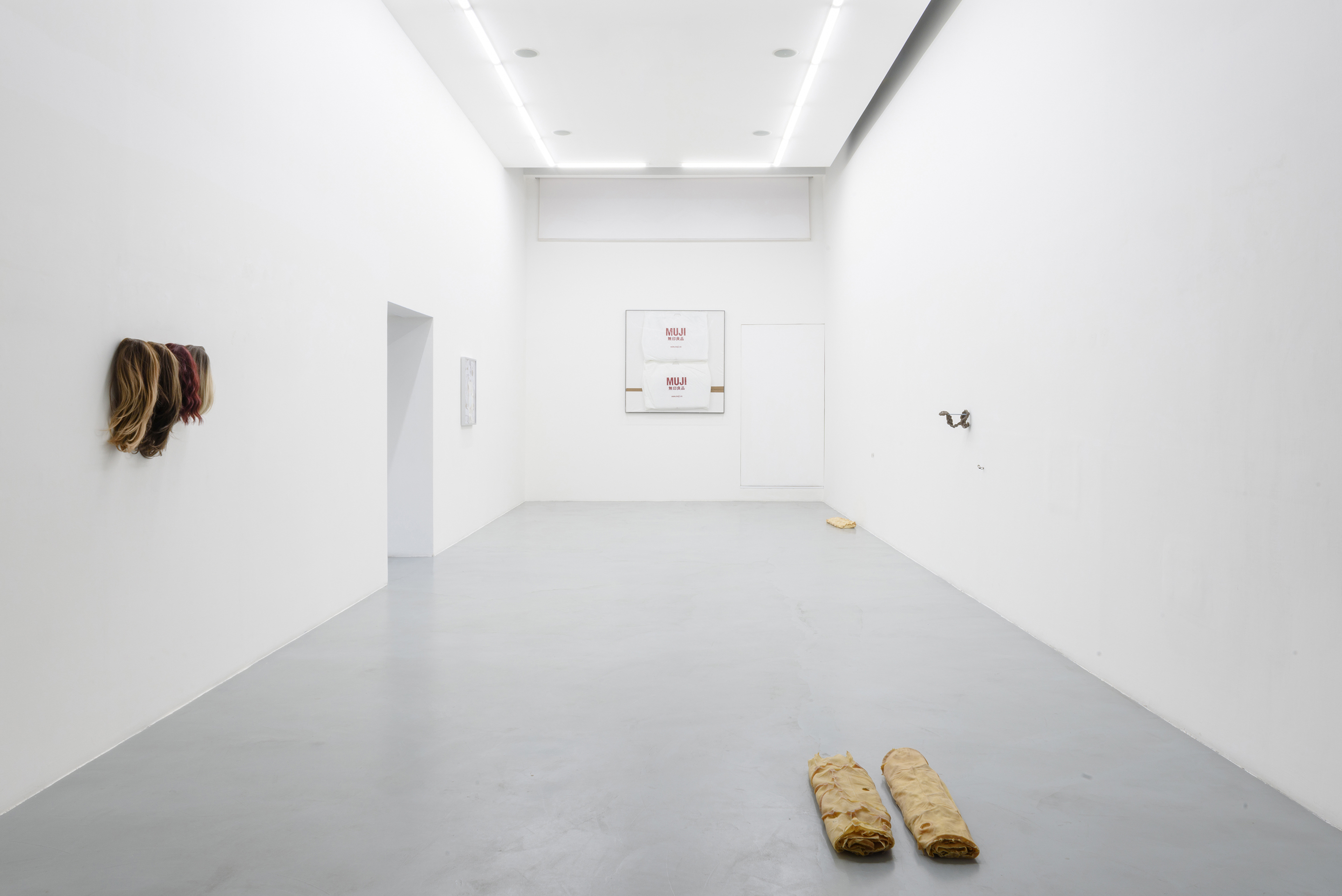
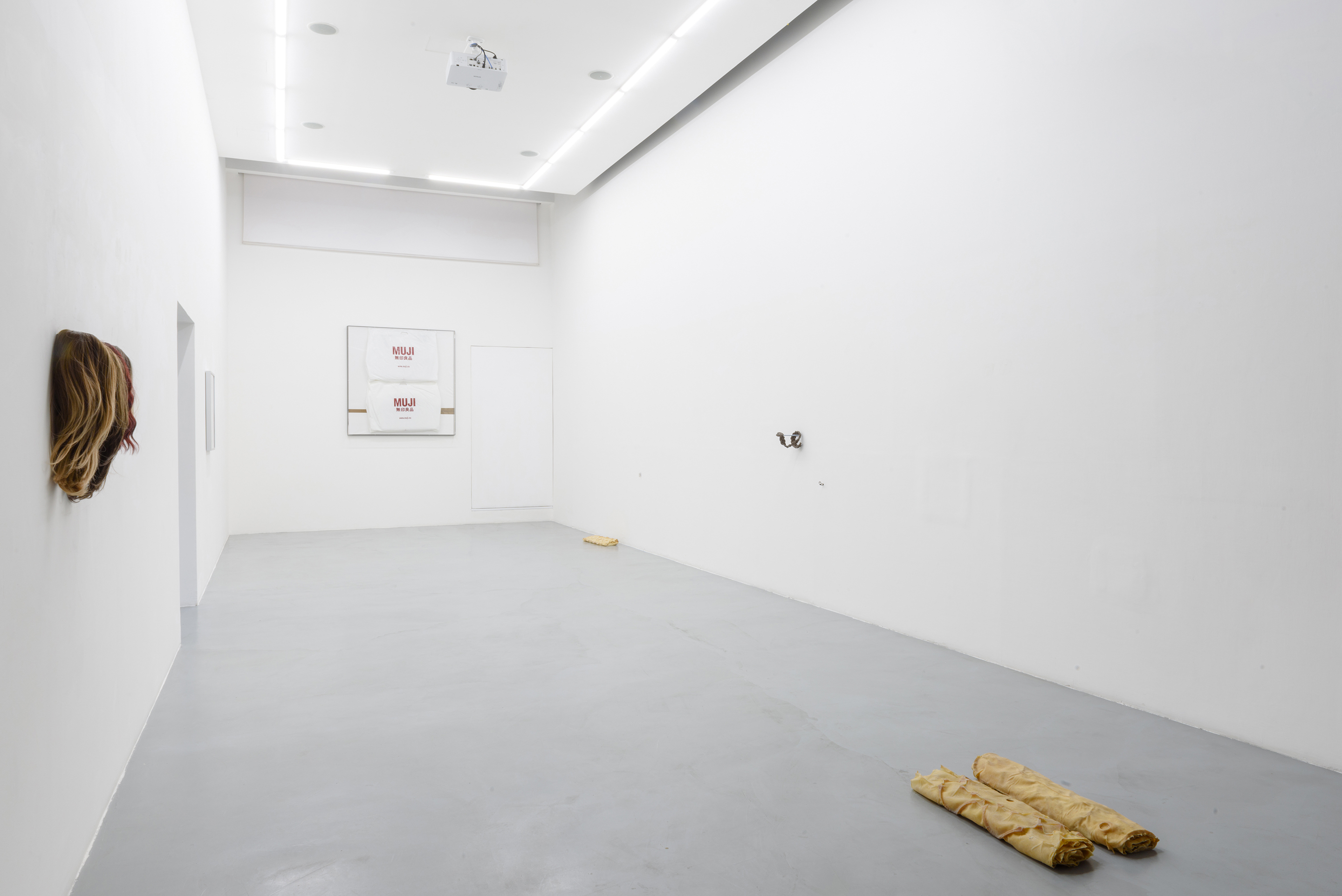
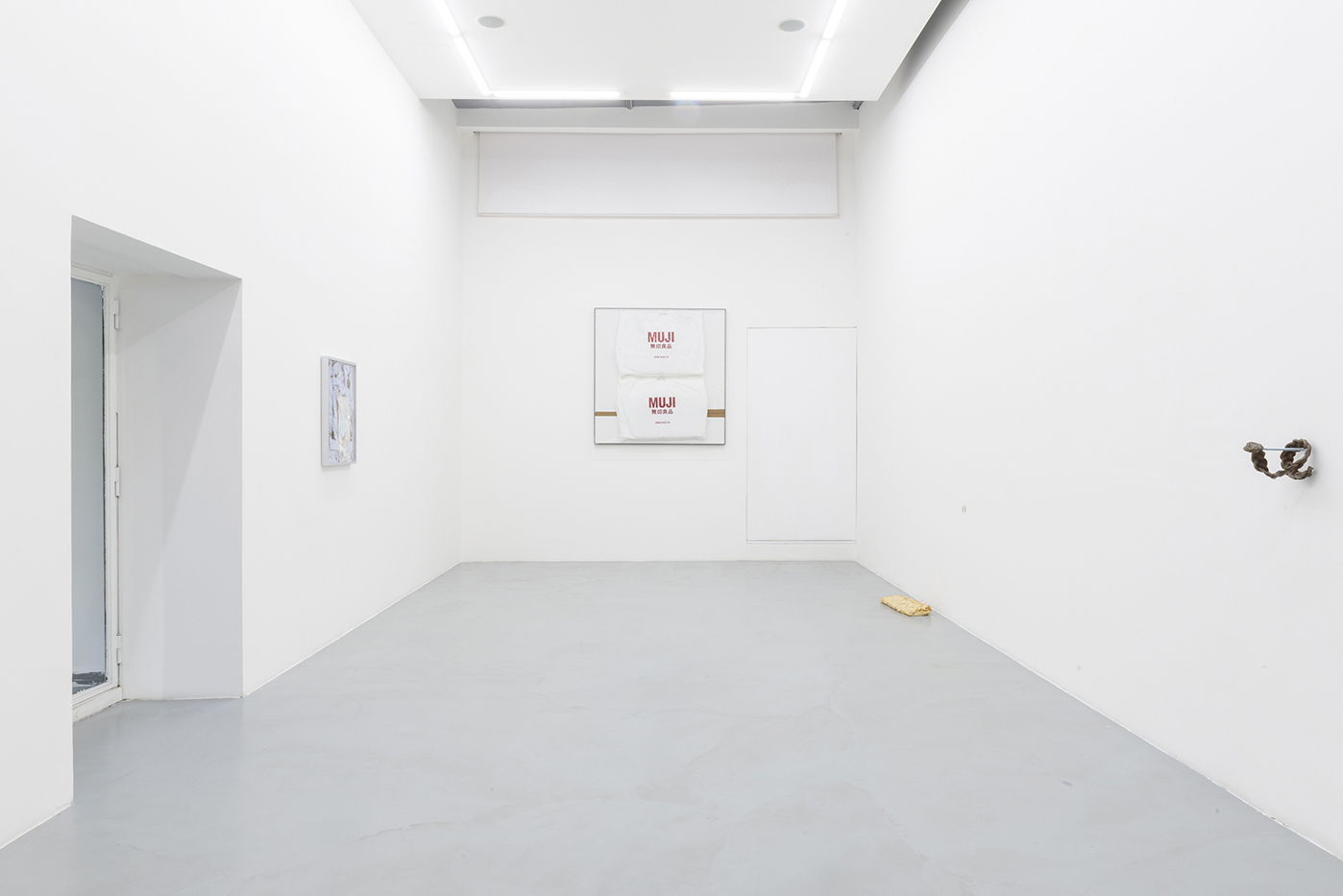
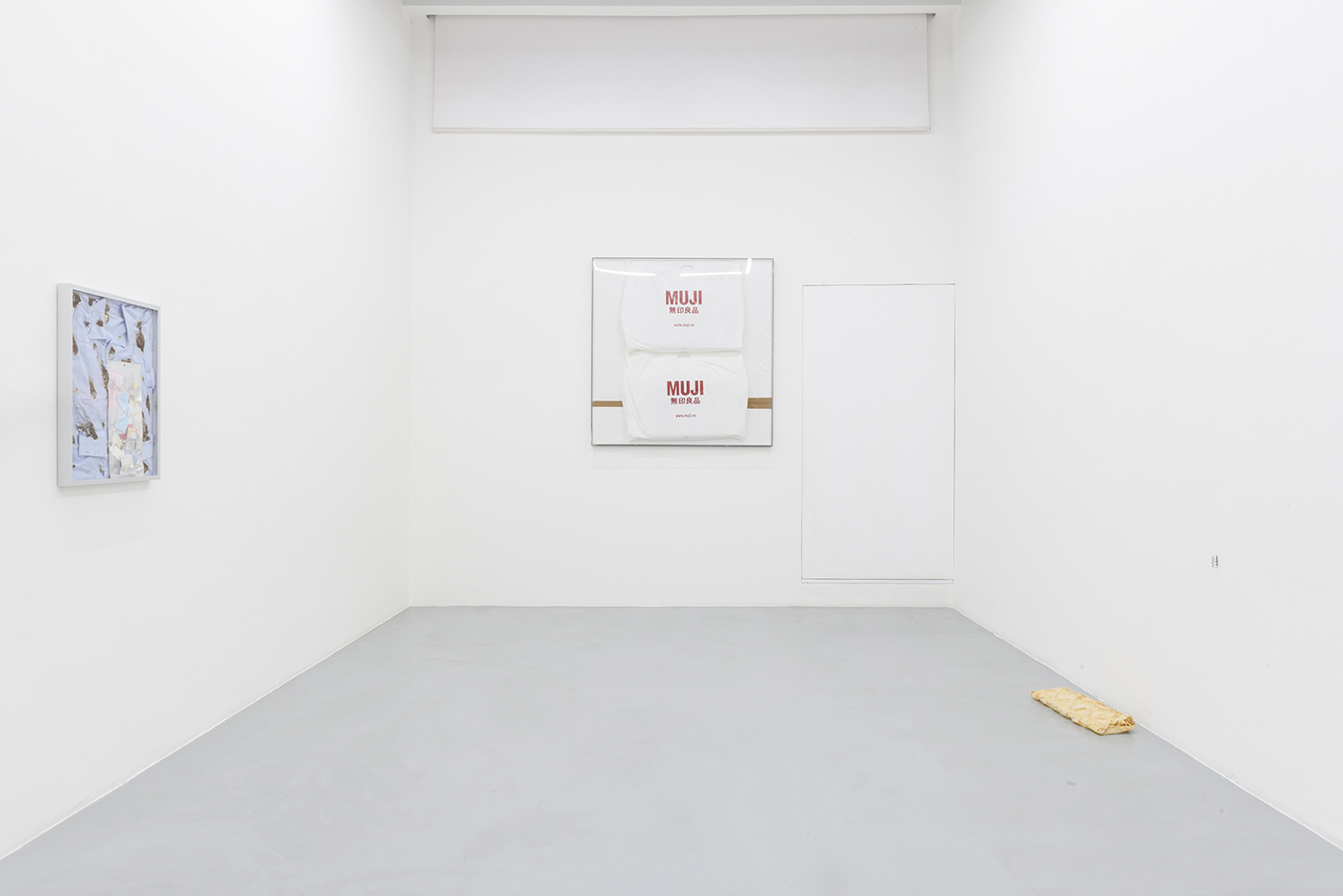
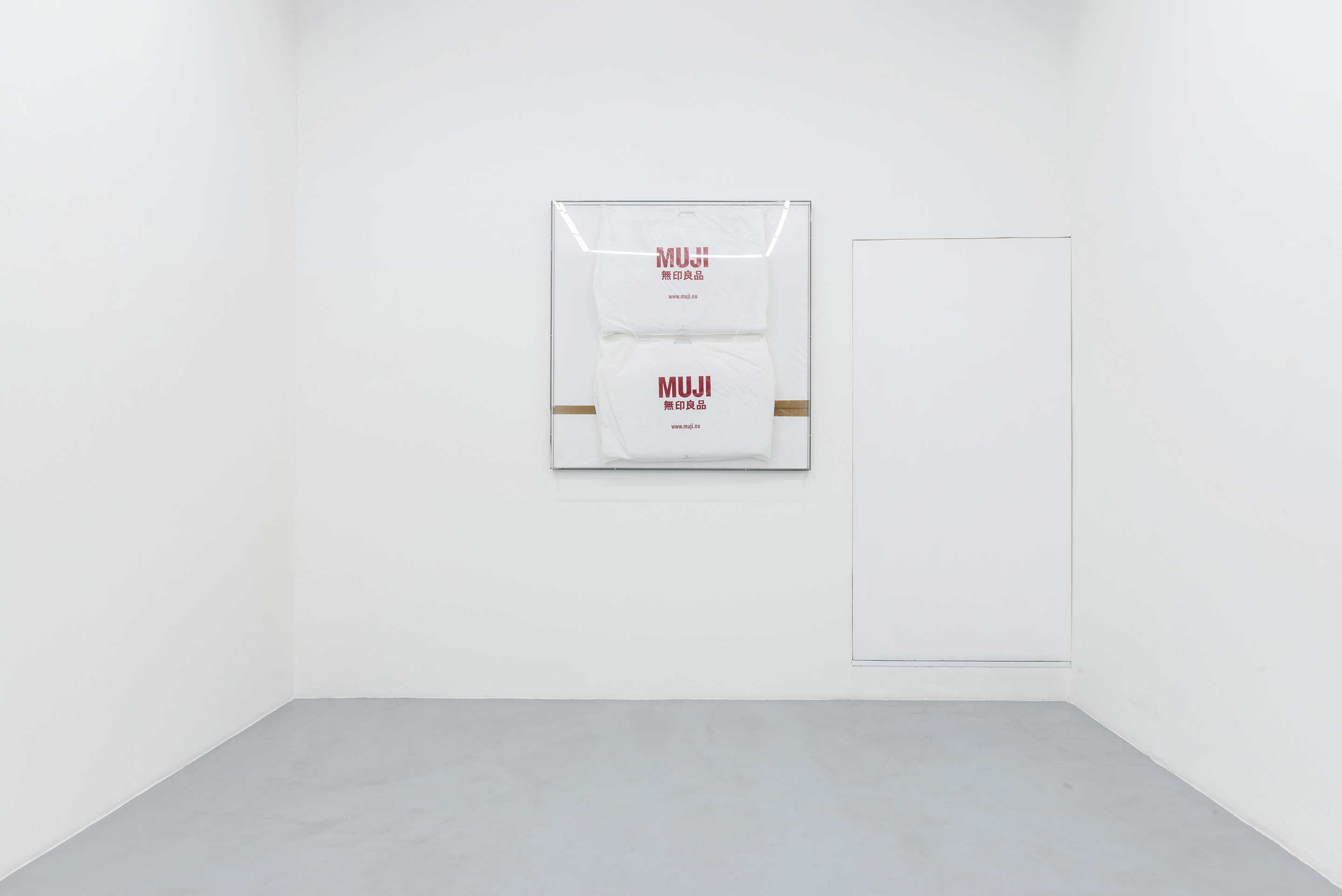
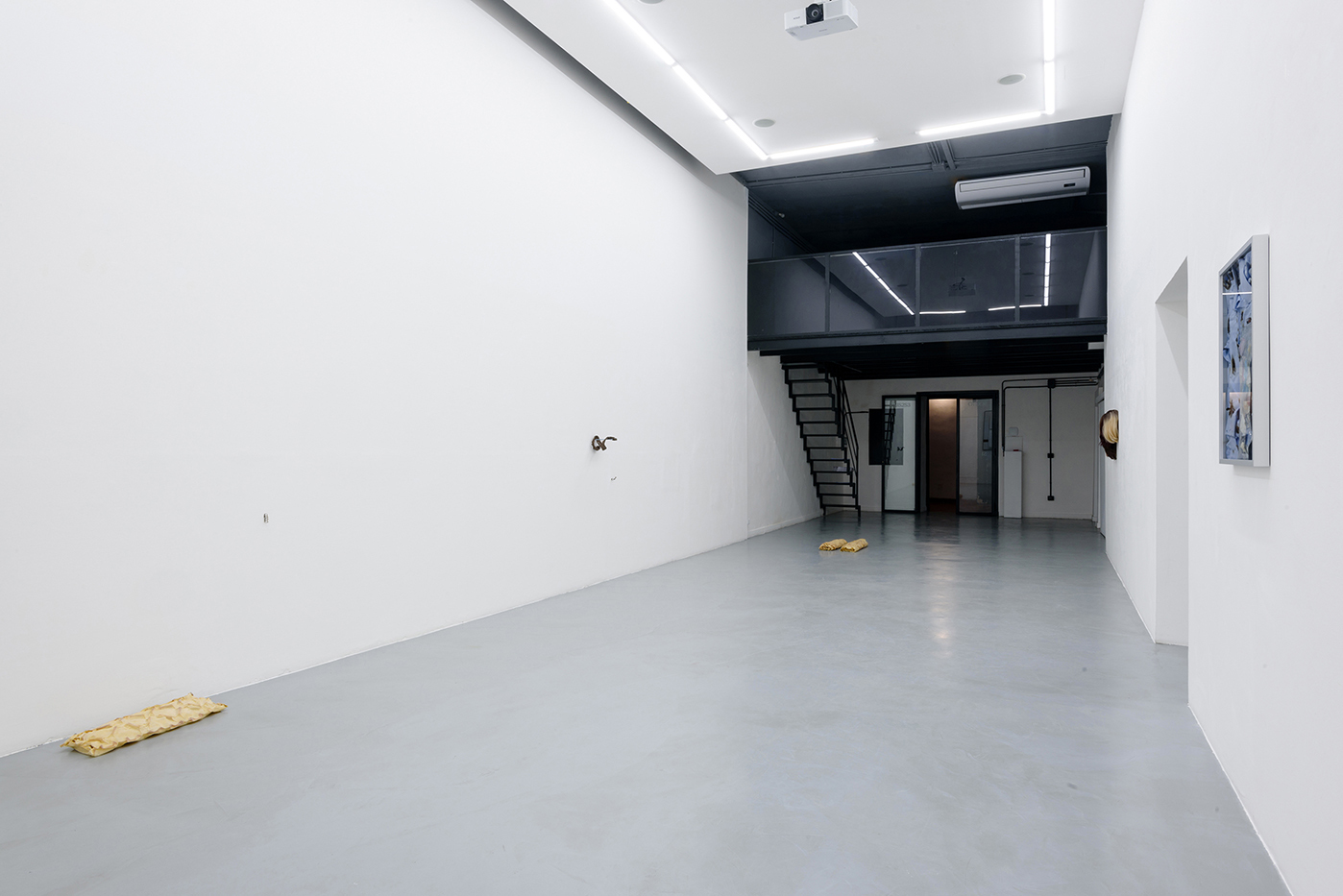
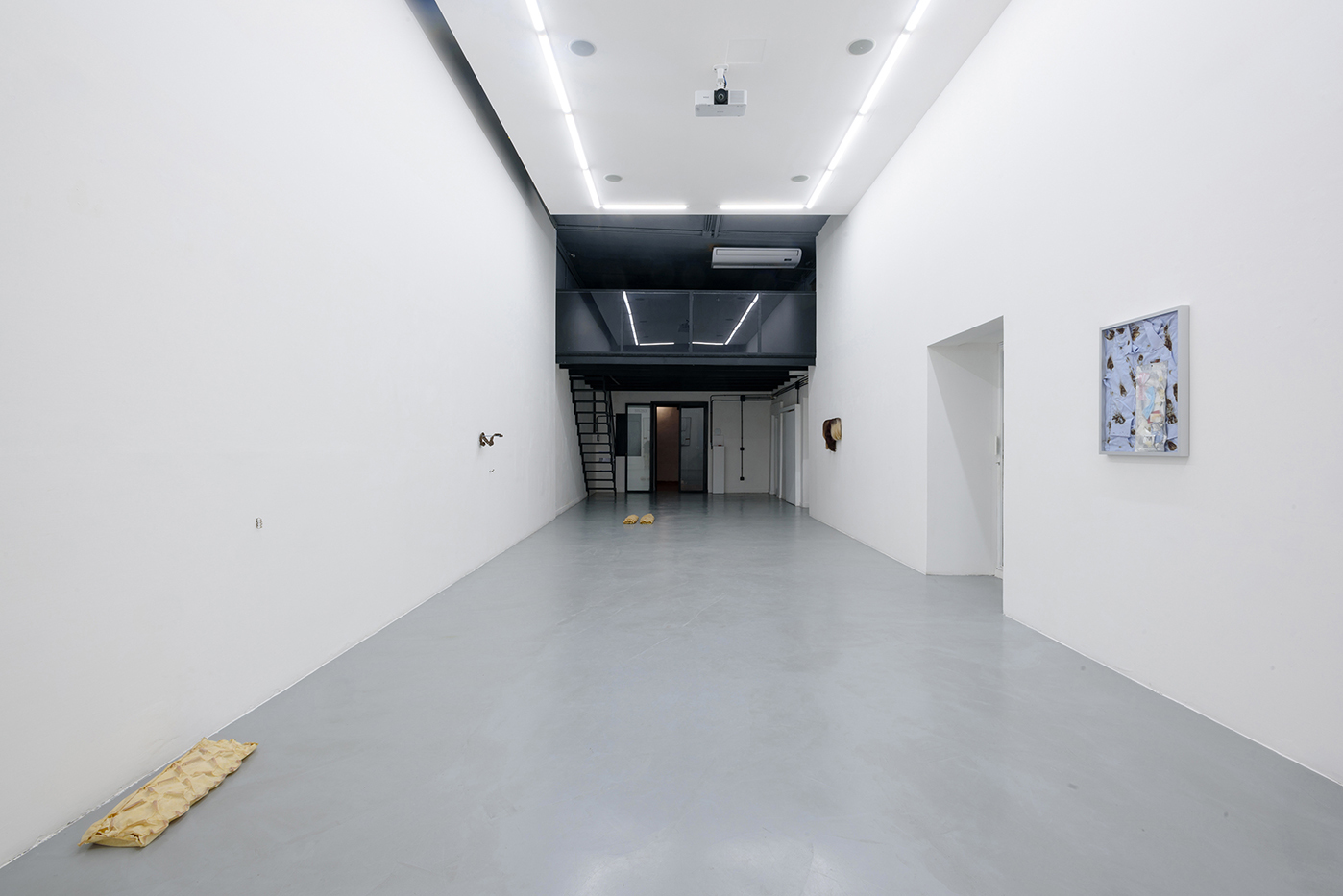
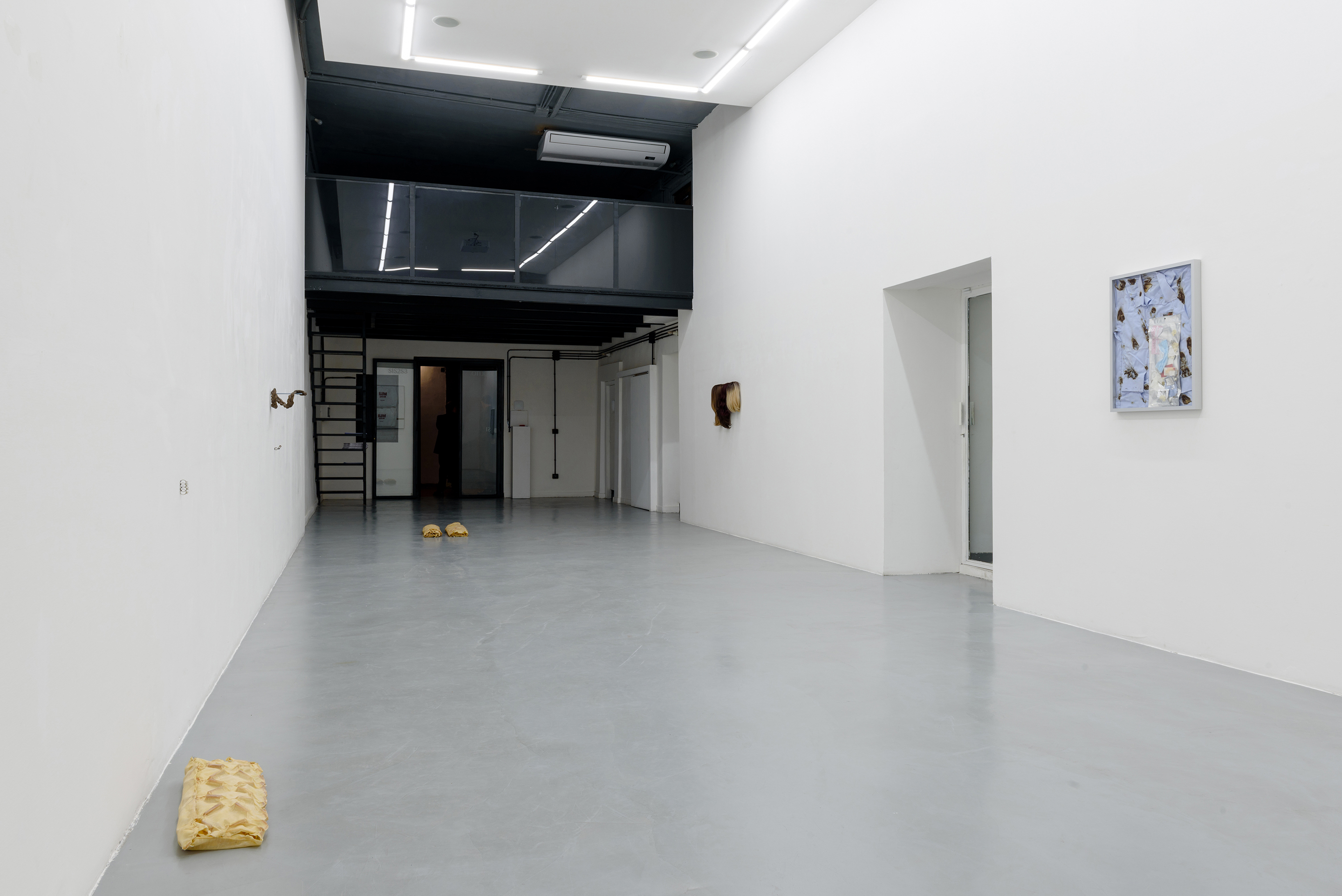
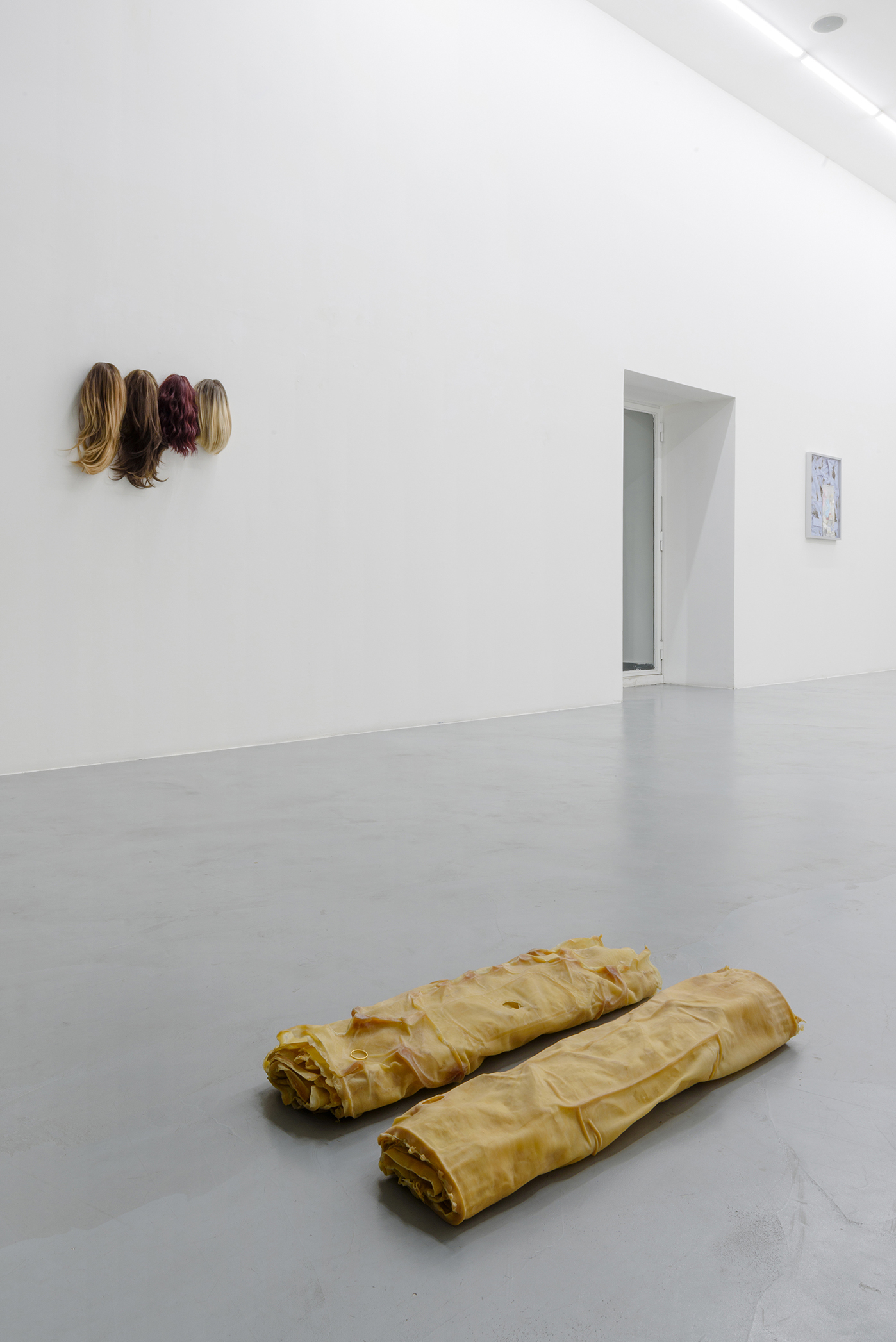
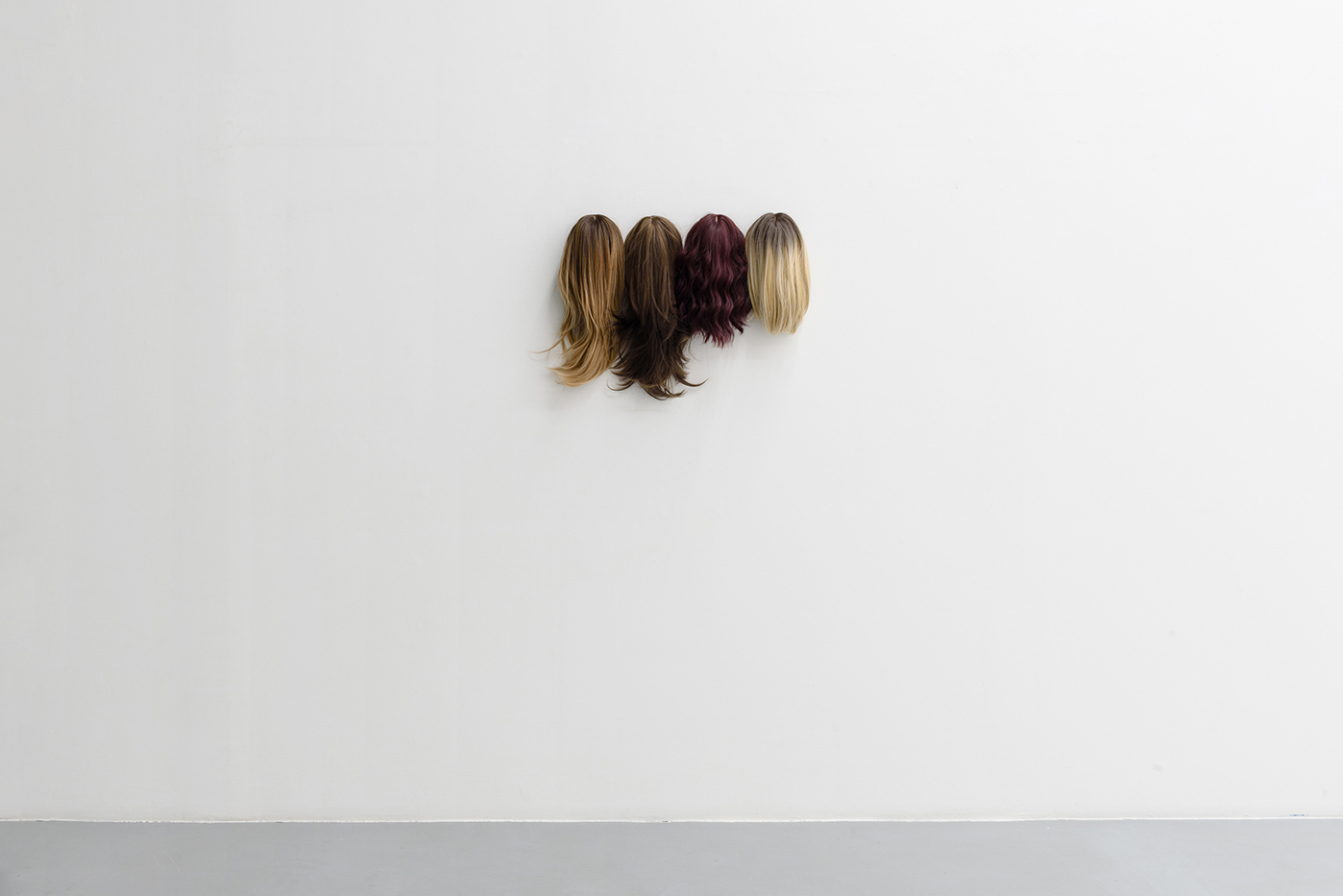
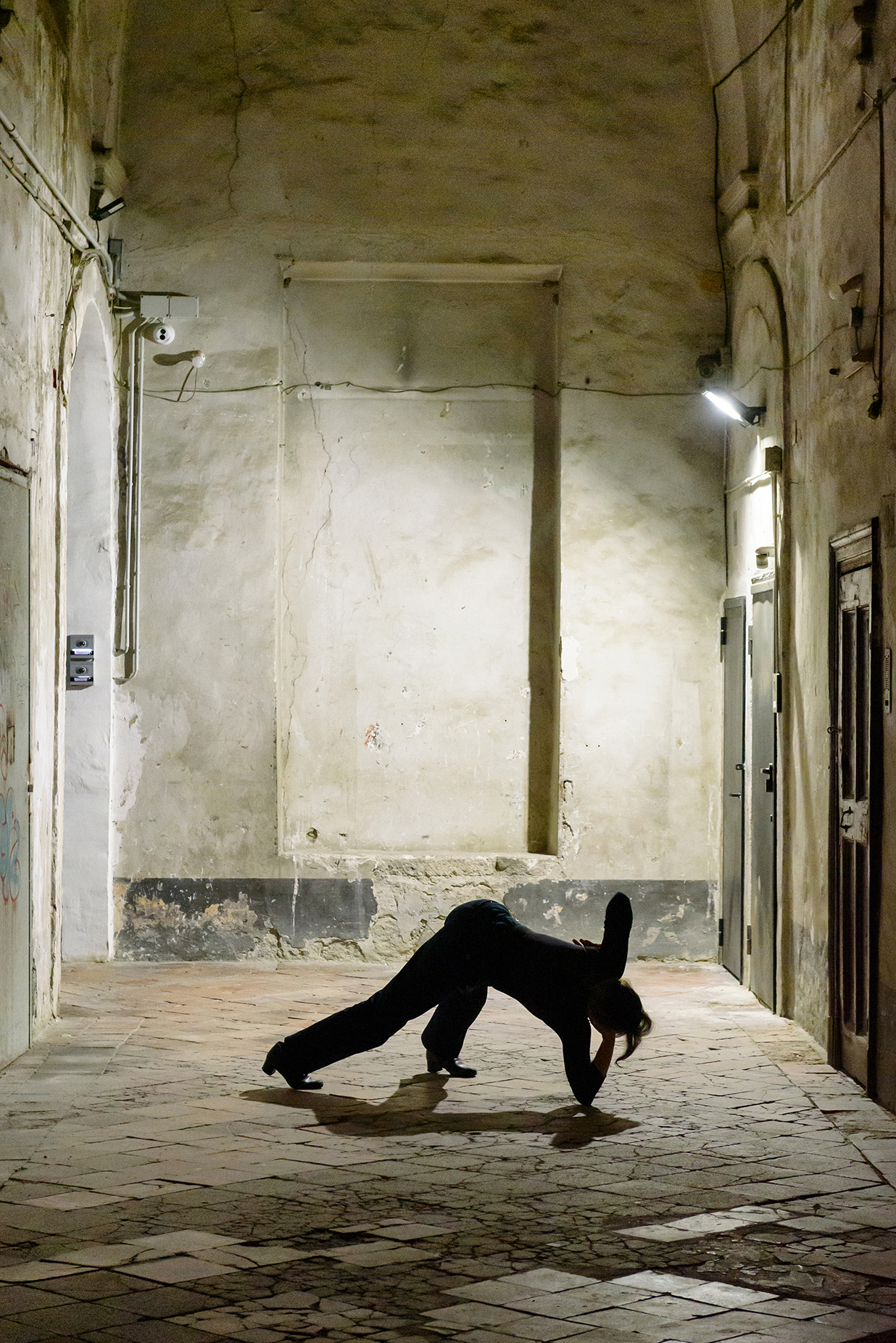
The exhibition begins with a question: What might a future without men look like?
Recent studies by several geneticists suggest that the Y chromosome - a key factor in determining a person's gender - is starting to deteriorate. So, what could this mean for the future?
What is particularly intriguing, however, is a finding that, in some ways, overturns centuries of history and social narratives: evidence has emerged of a powerful role held by women dating as far back as the Stone Age.
A recent article published by the New Scientist Magazine highlights an important archaeological discovery that sheds new light on the roles of women in the Stone Age. The research indicates that women of that era often held prominent positions as rulers, warriors, hunters, and shamans. Often, however, the discovery of skeletal remains led researchers to presume they belonged to male individuals. In 2008 near Seville, Spain, archaeologists uncovered the burial of a young individual surrounded by luxurious grave goods, including an impressive ivory horn. This find became known as the legend of the “Ivory Man”, with researchers believing he was the most influential person on the Iberian Peninsula. However, thirteen years later, protein analysis of dental enamel revealed that the individual, once thought to be the Ivory Man, was actually the Ivory Woman.
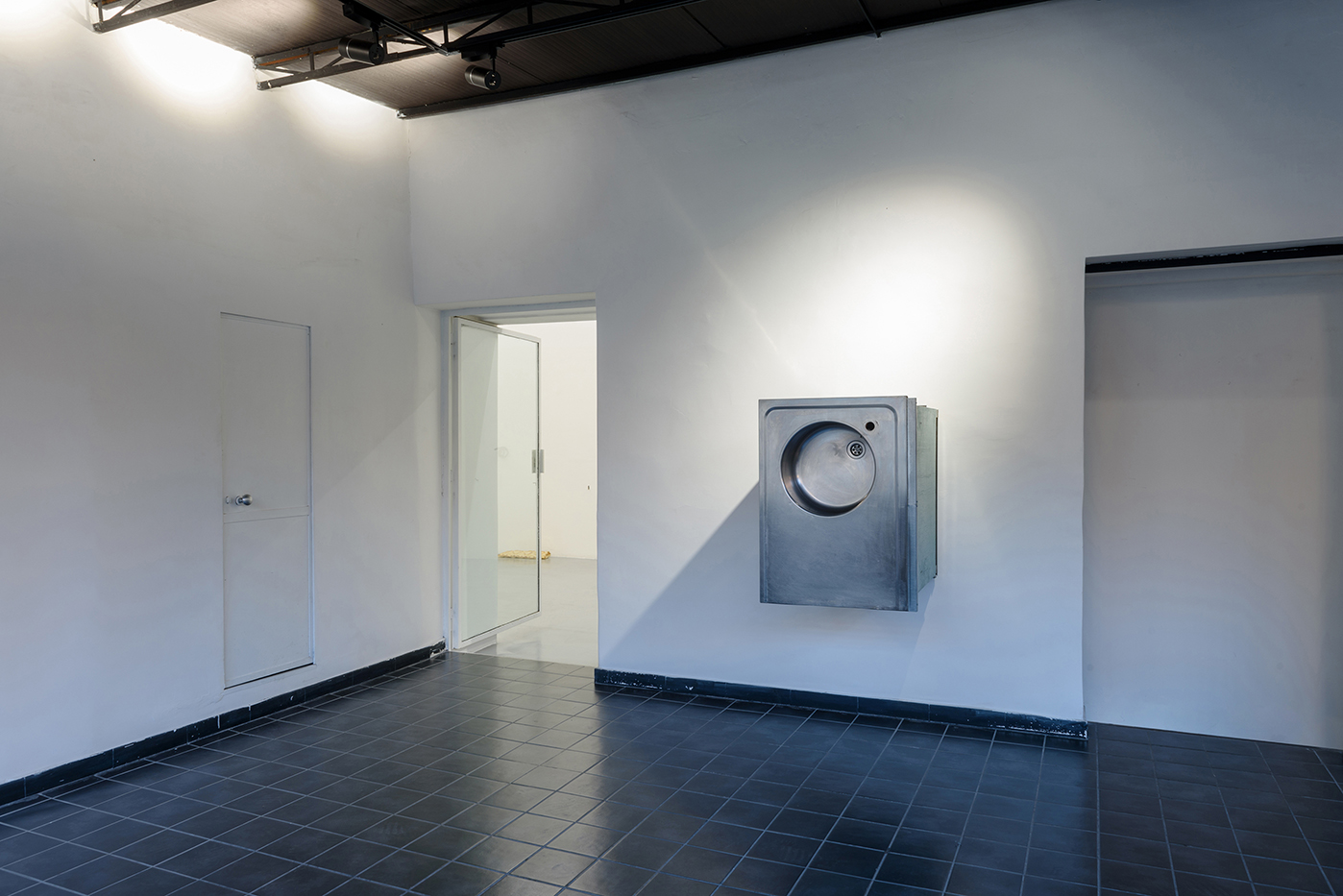
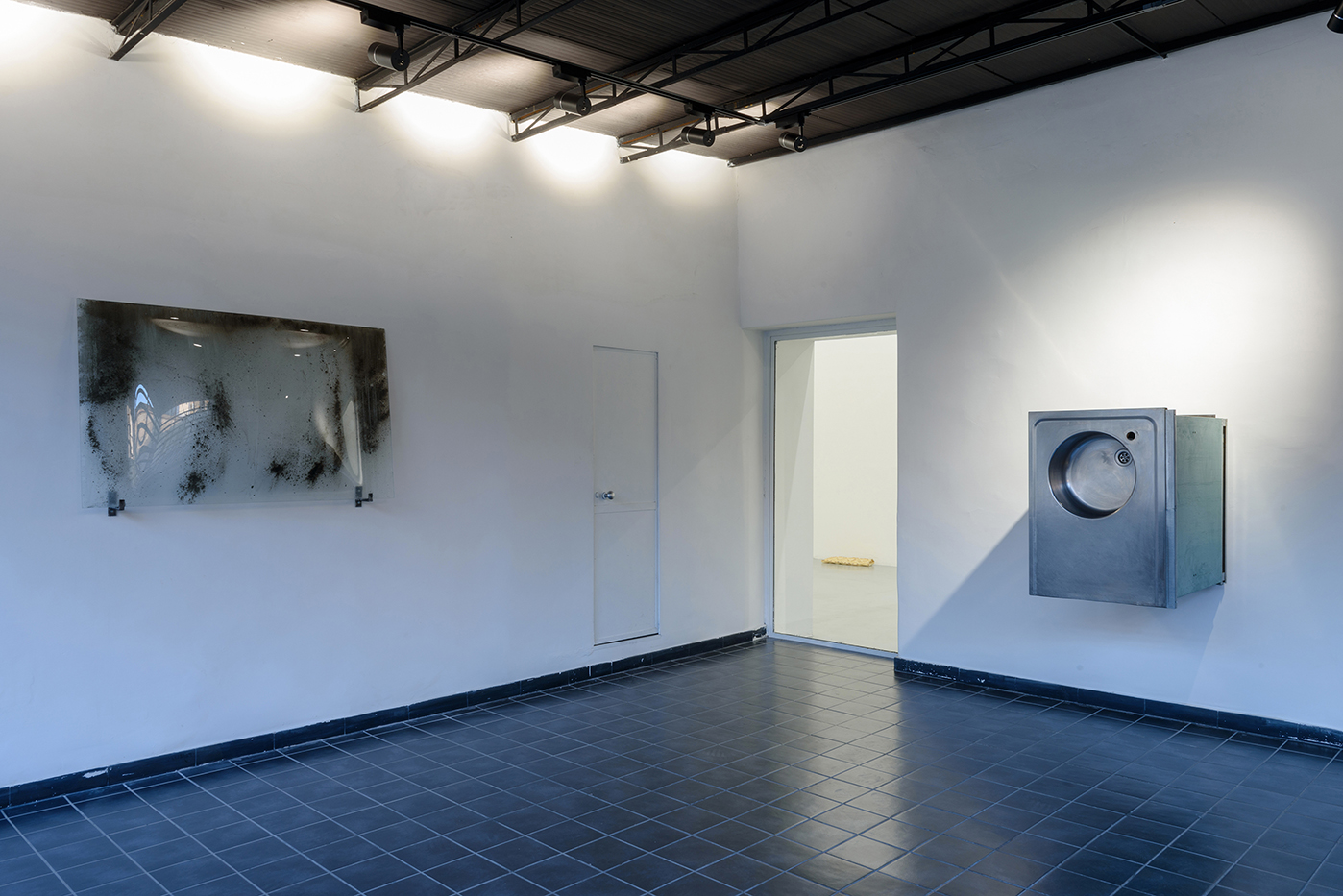
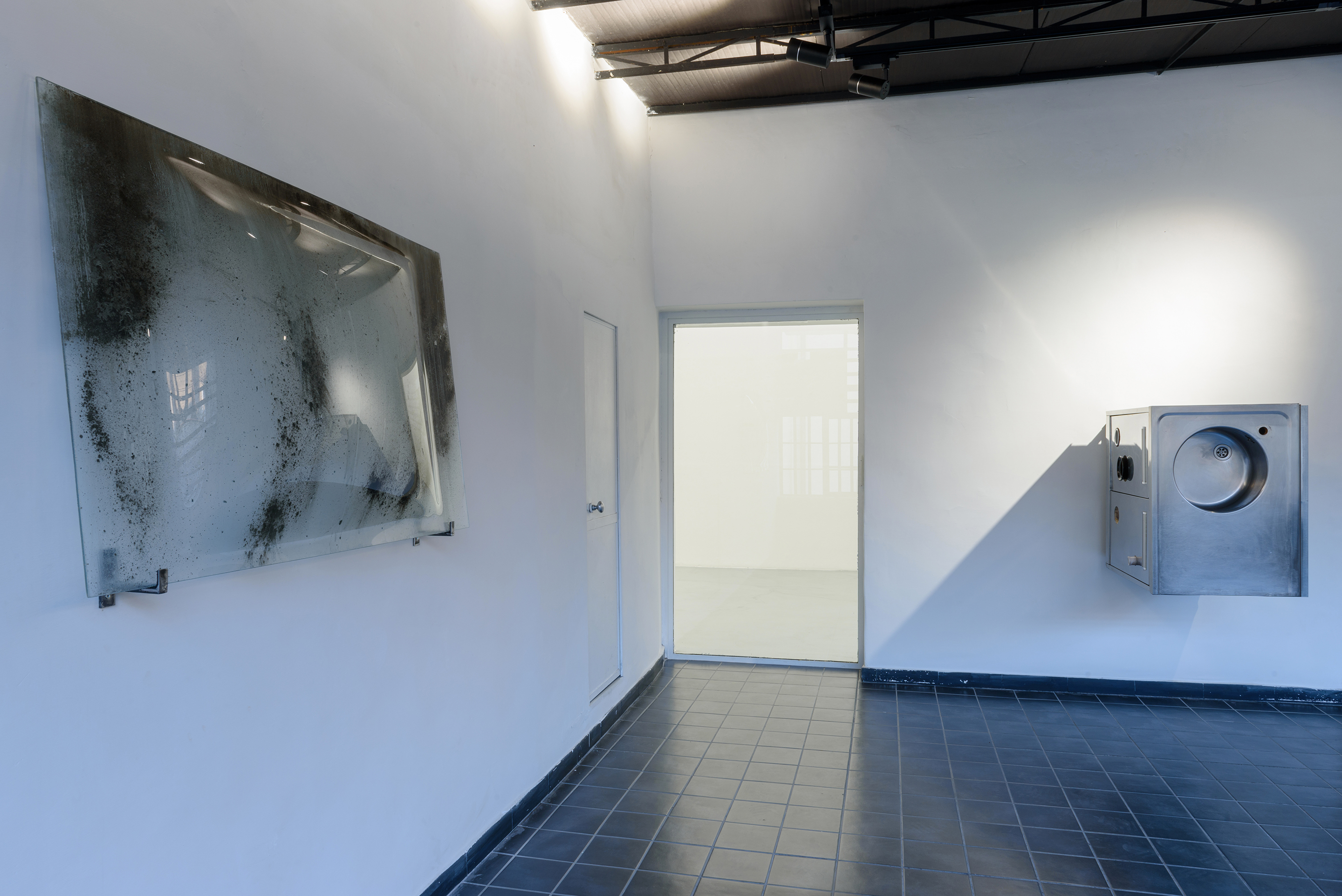
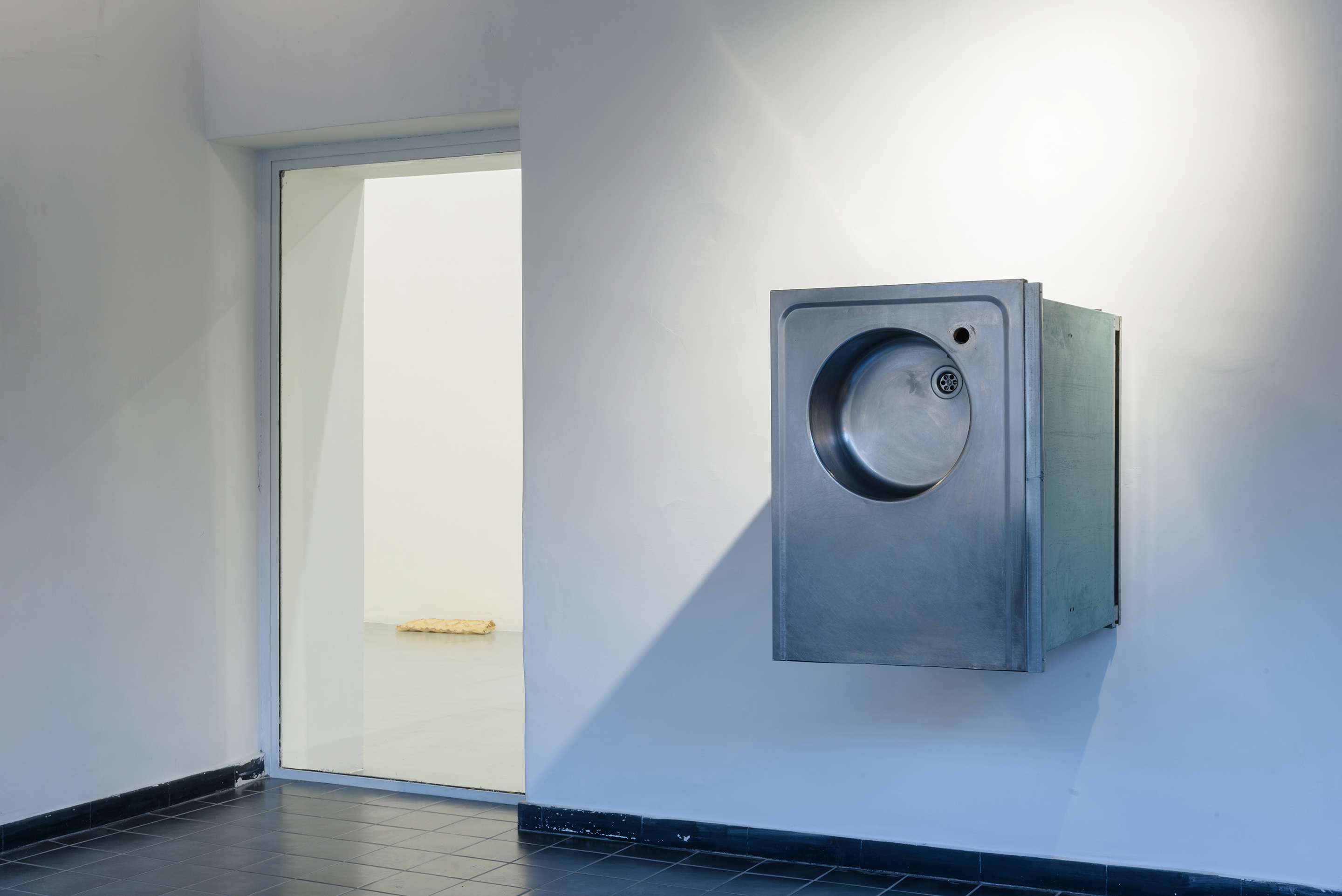
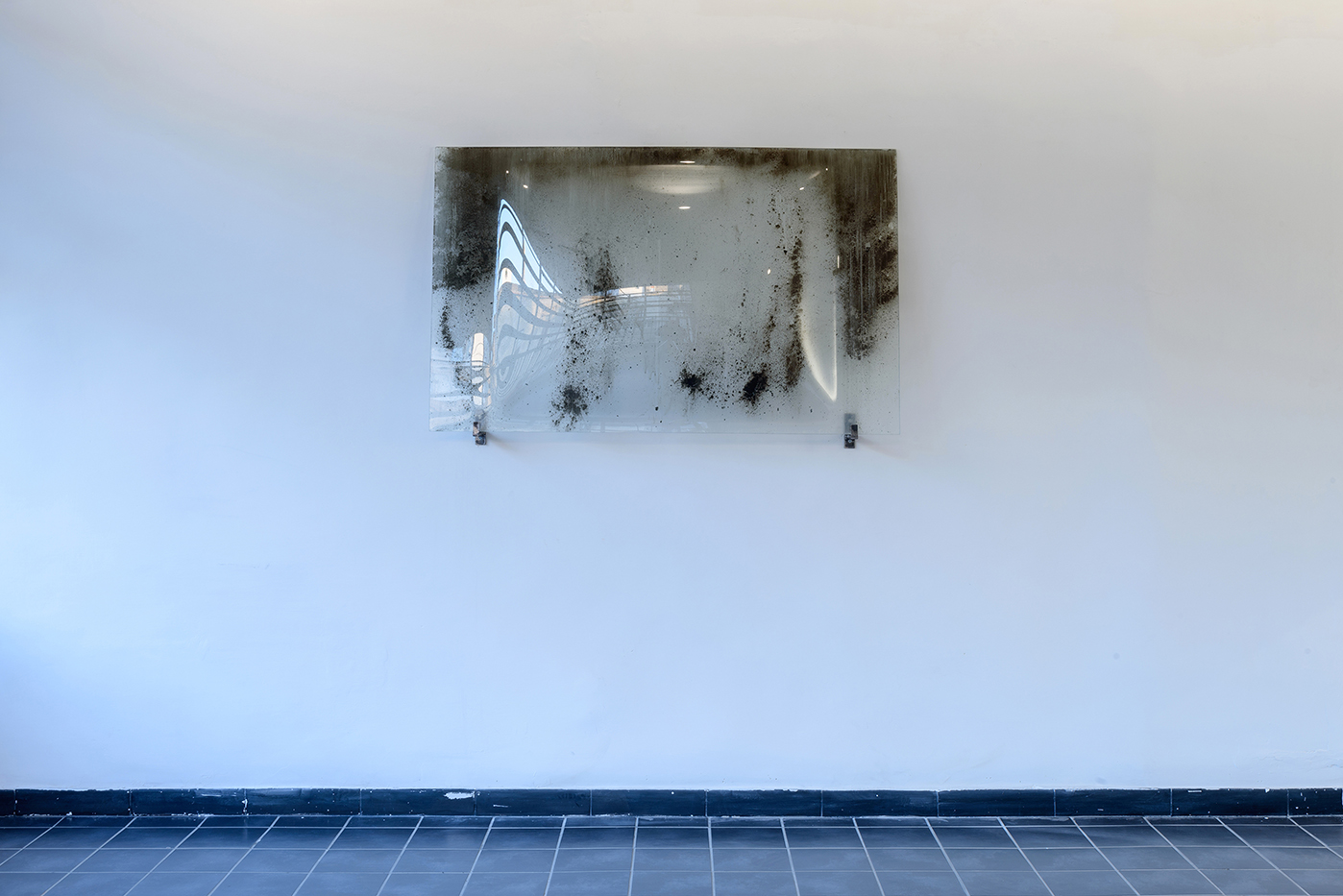
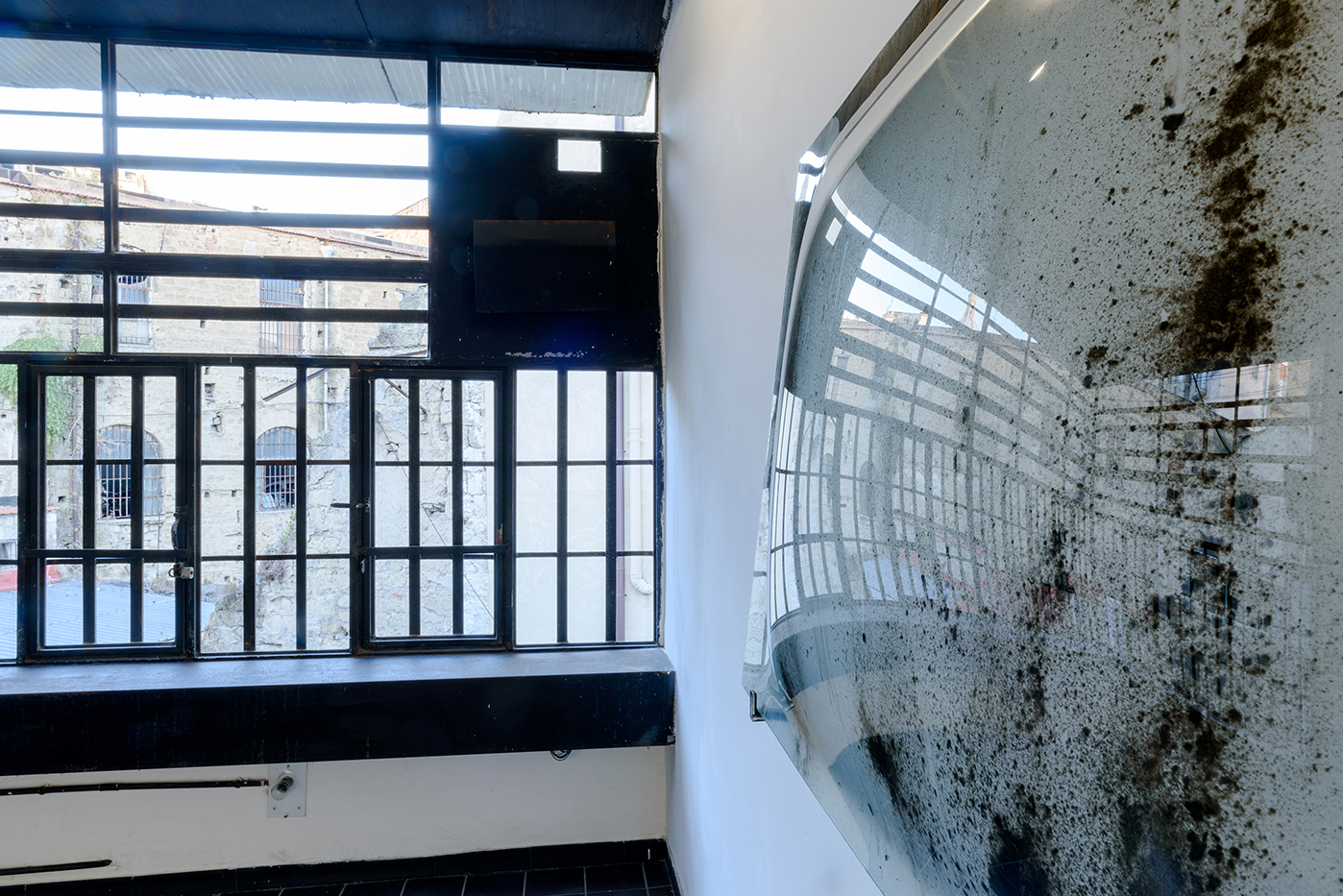
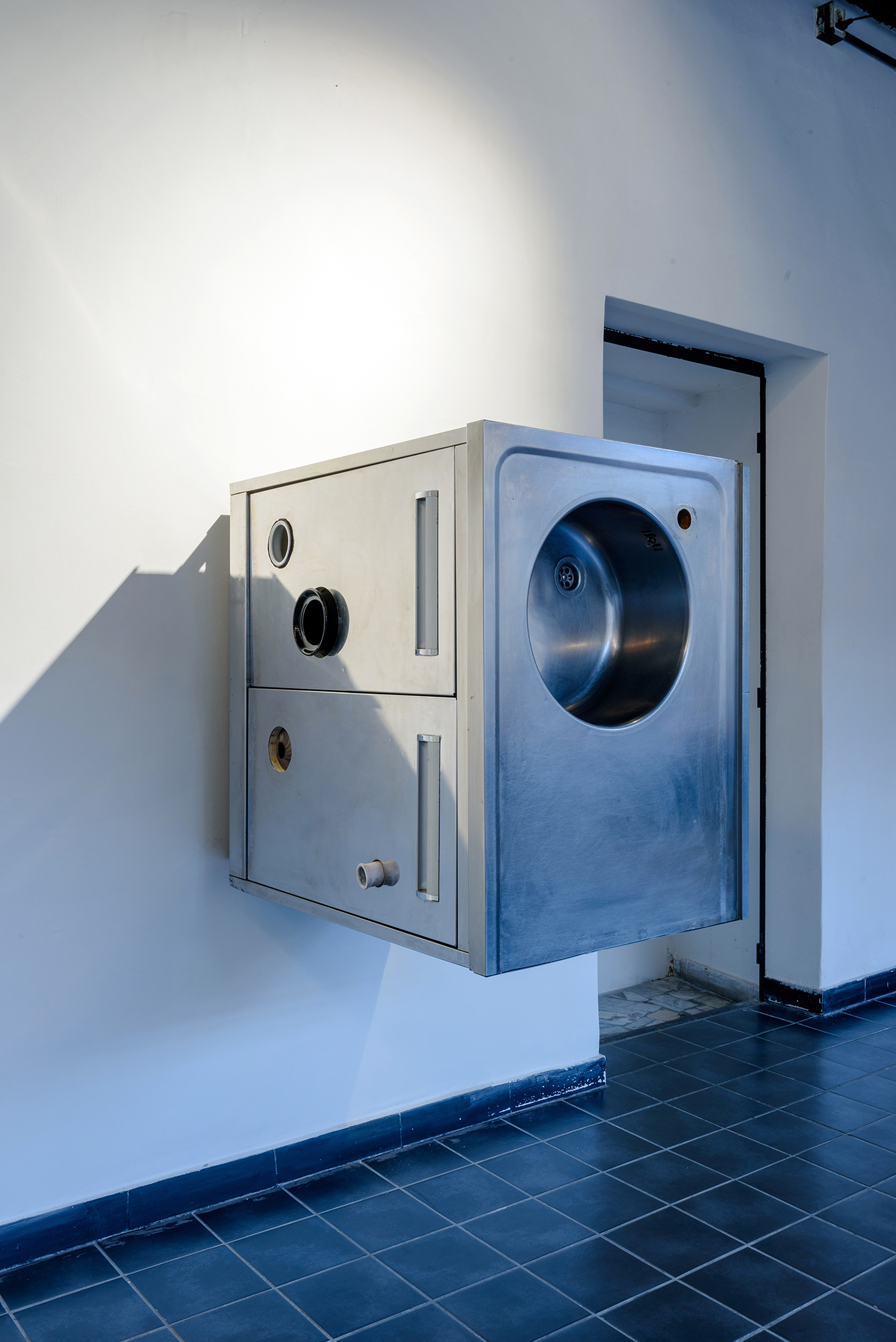
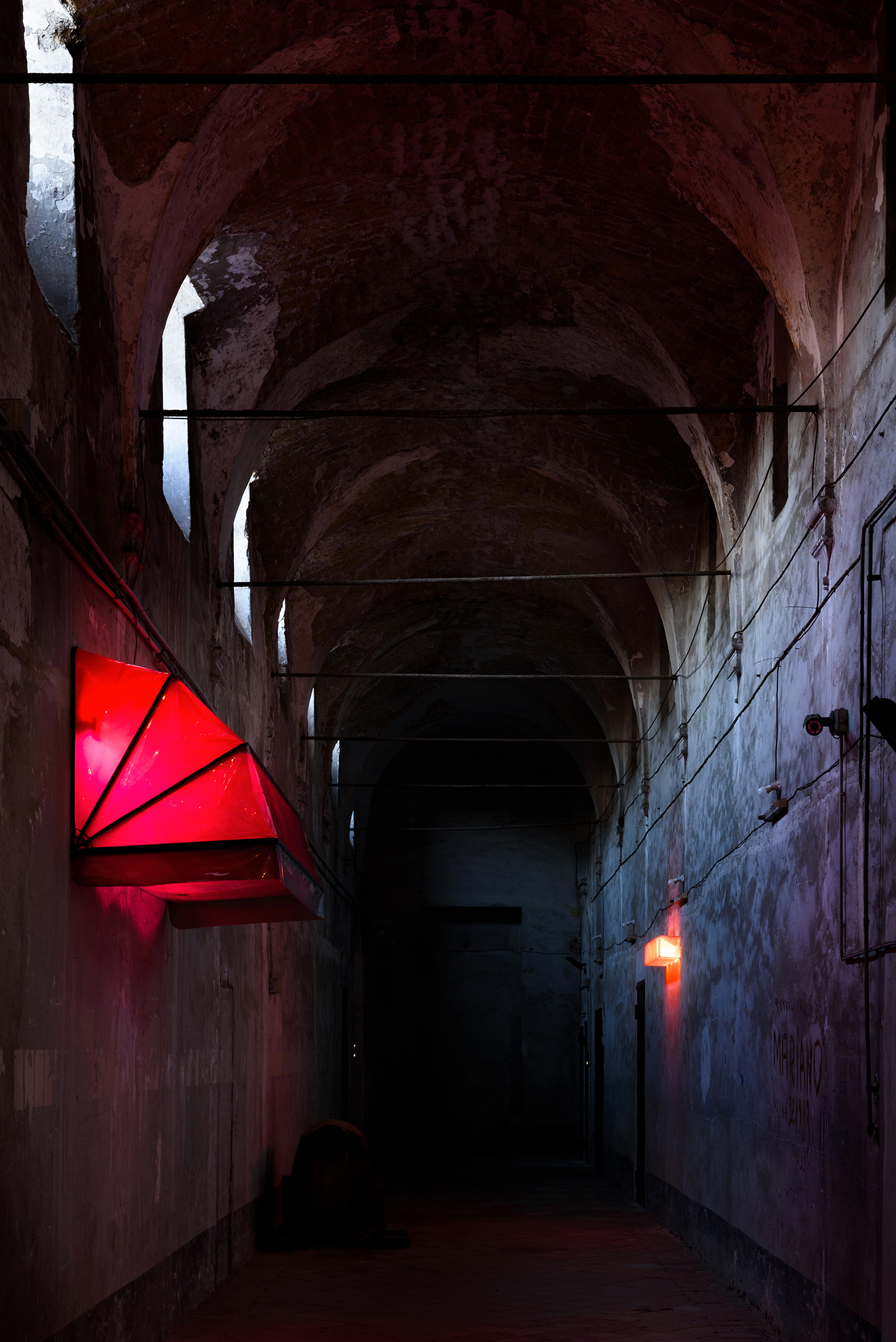
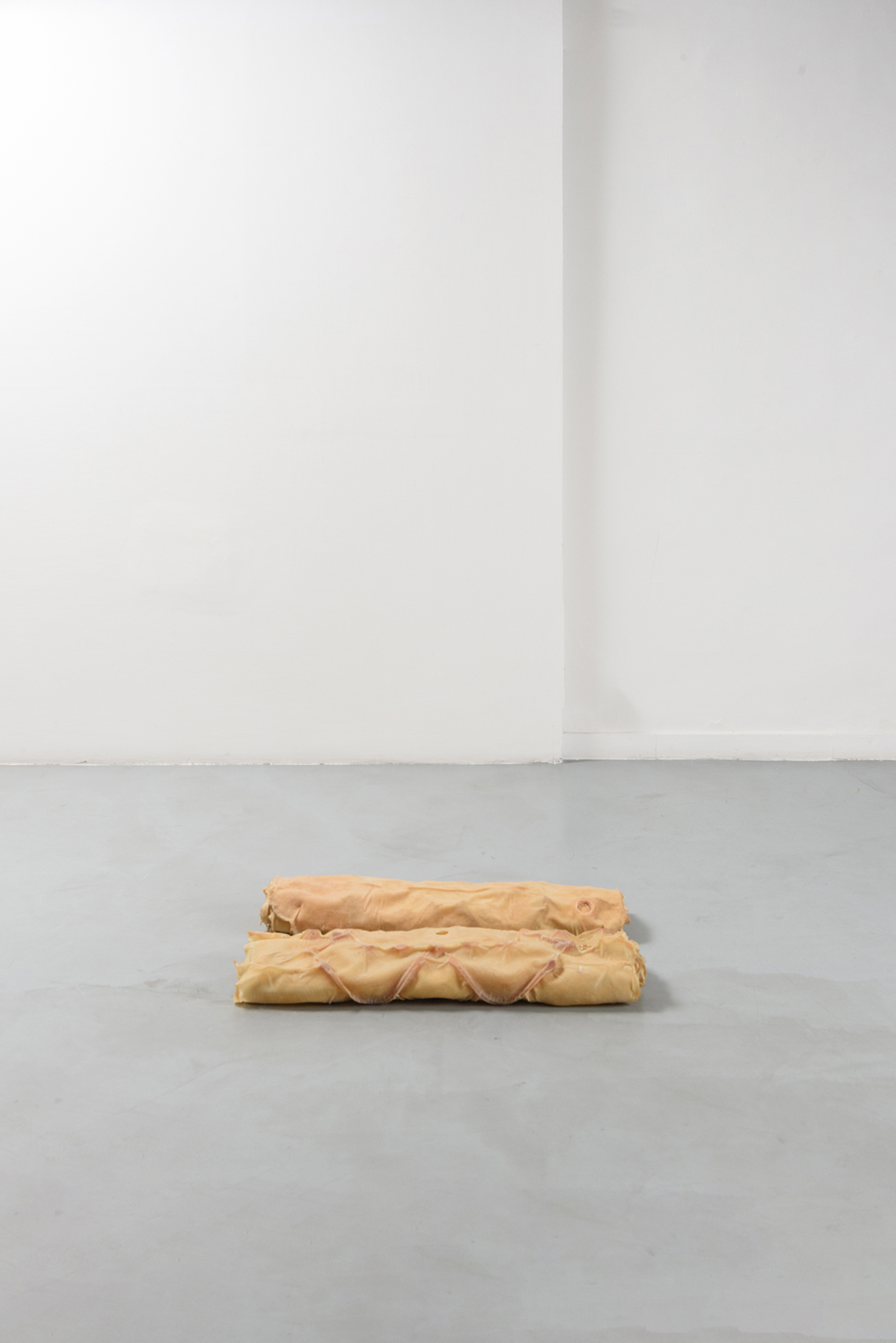
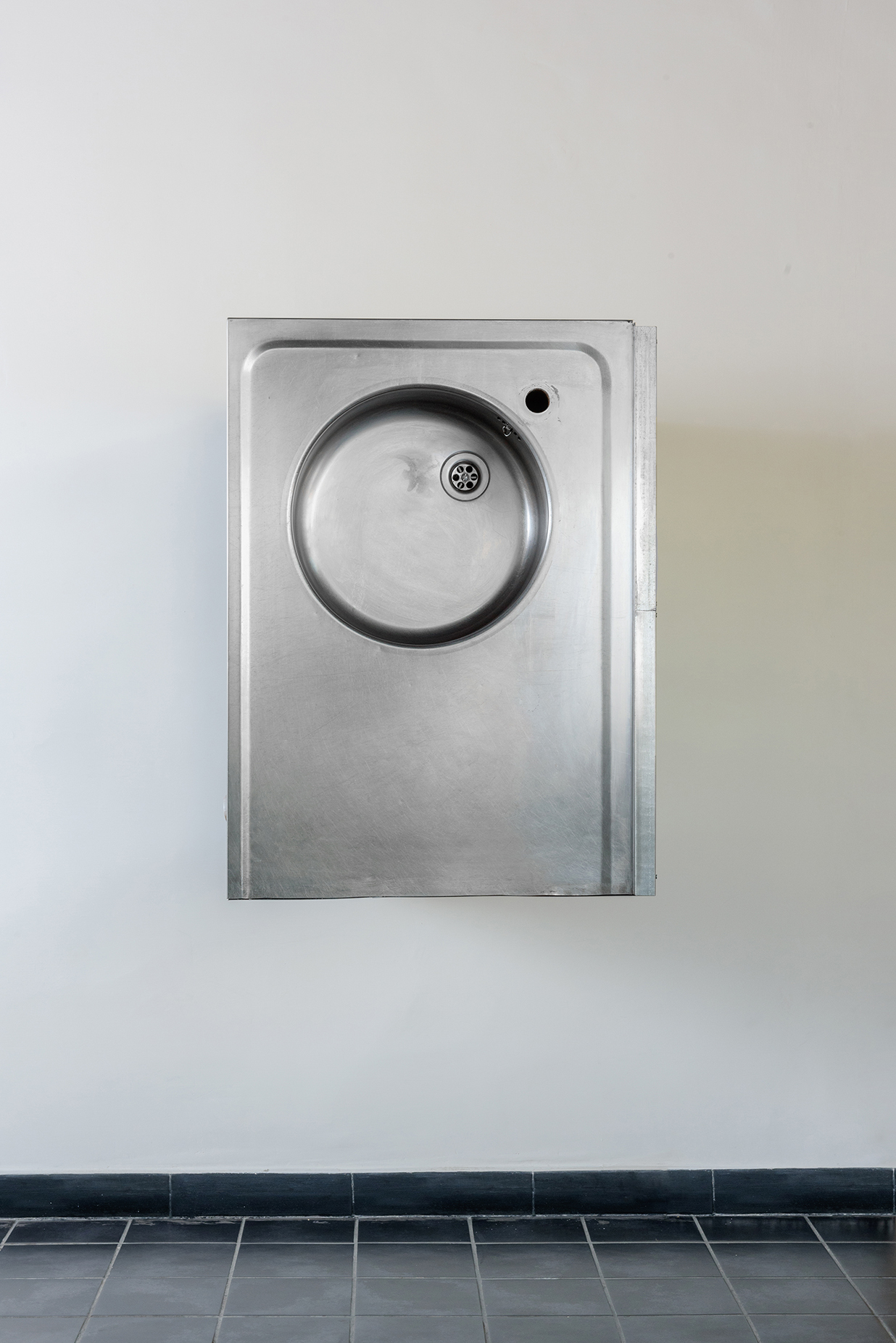
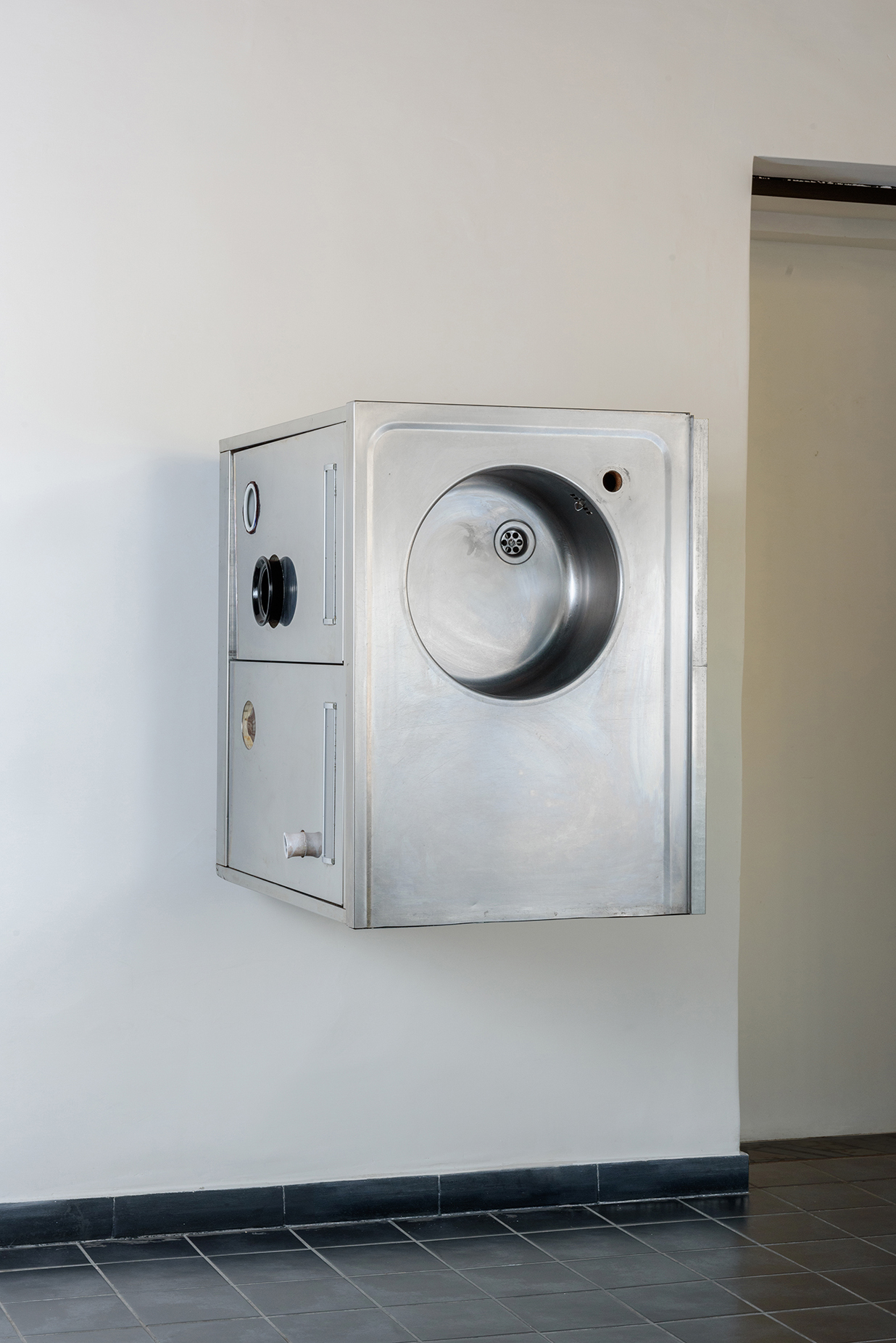
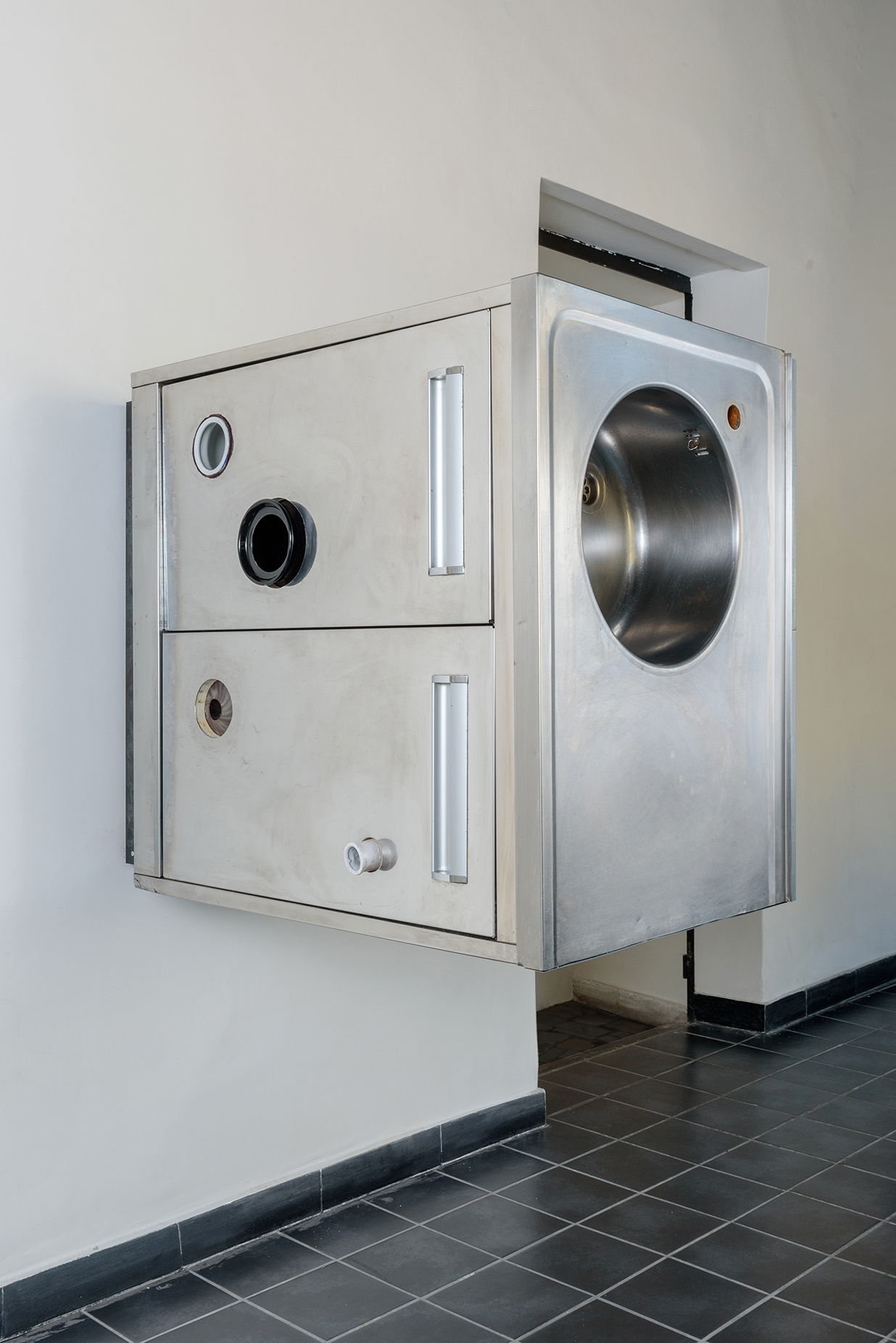
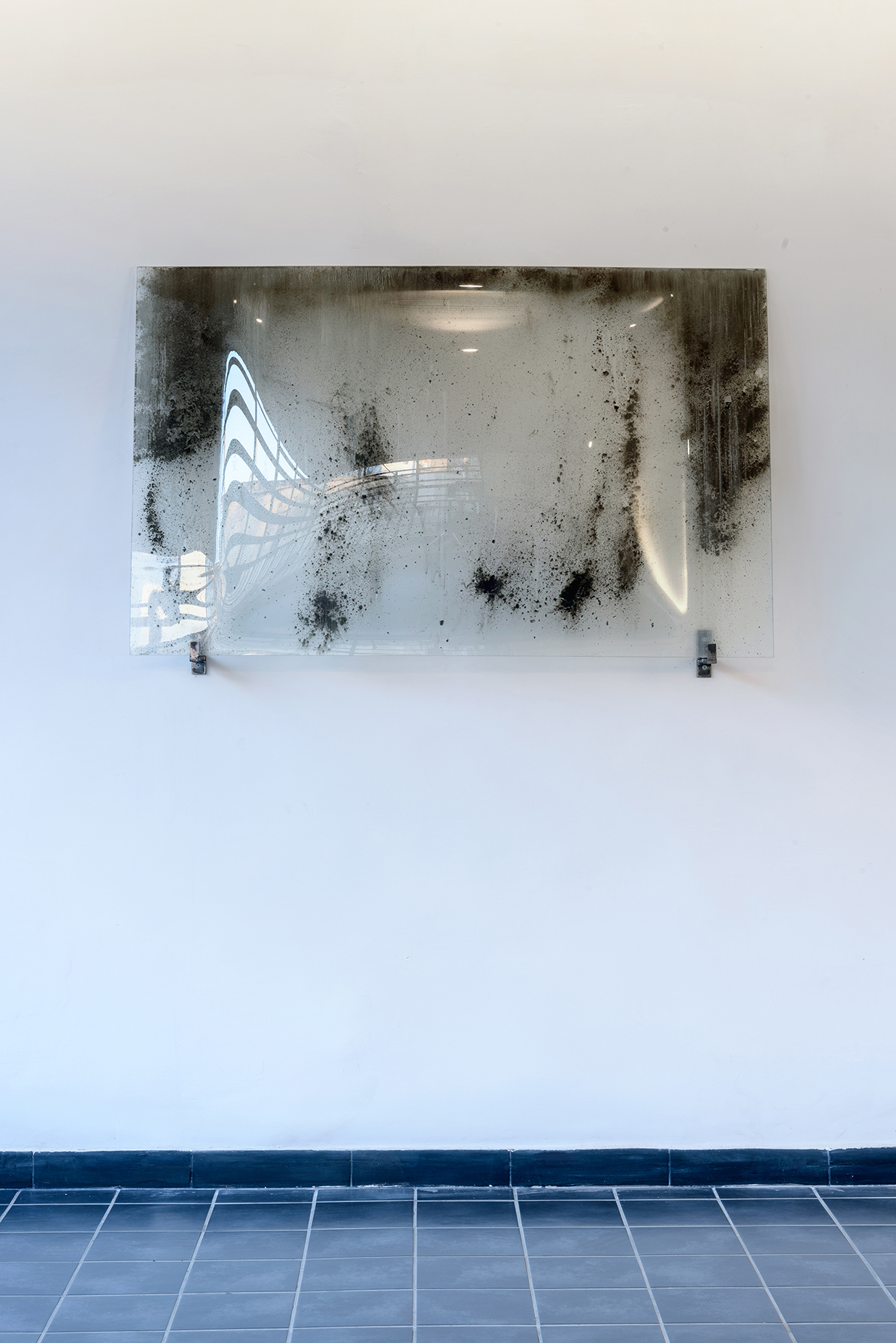
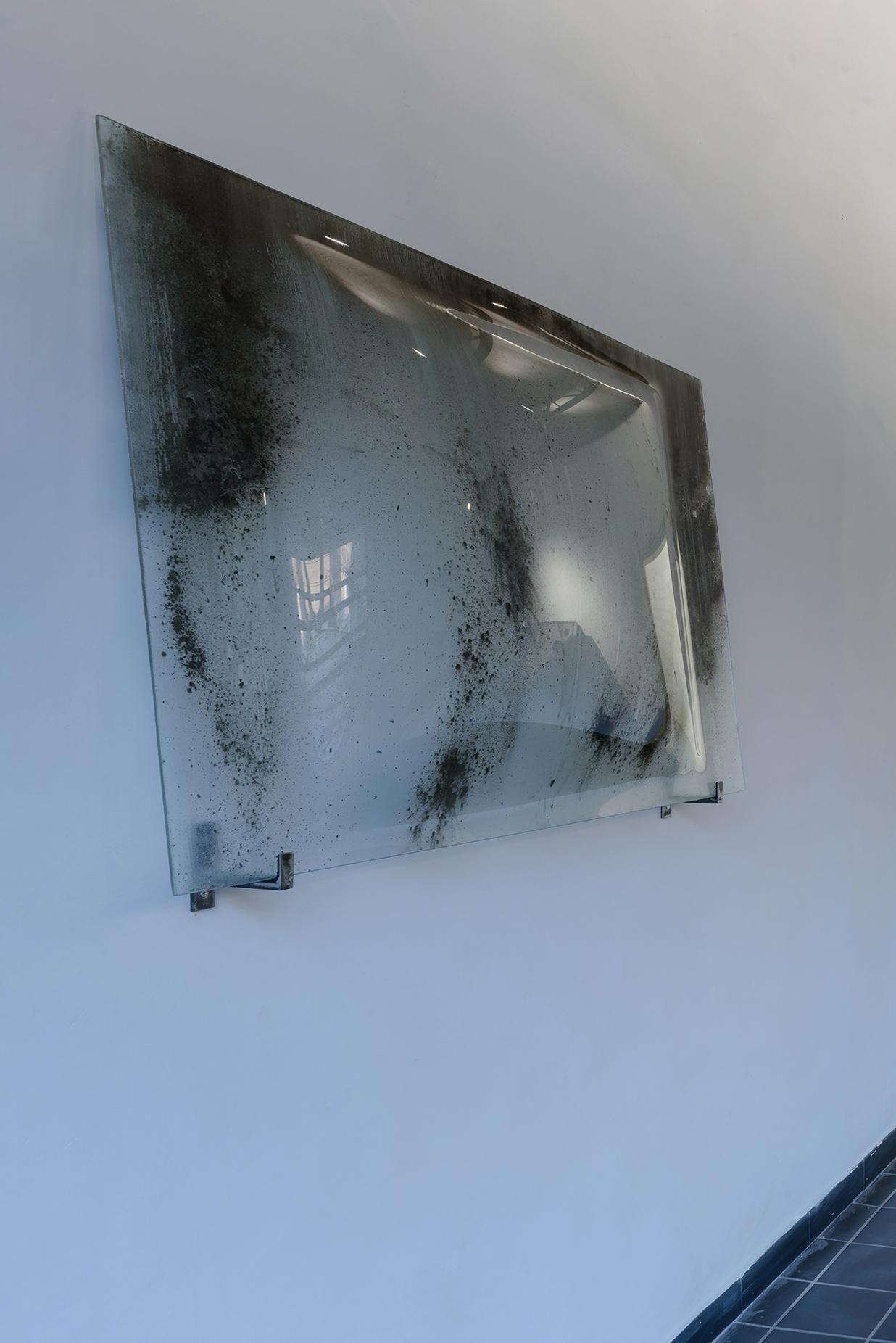
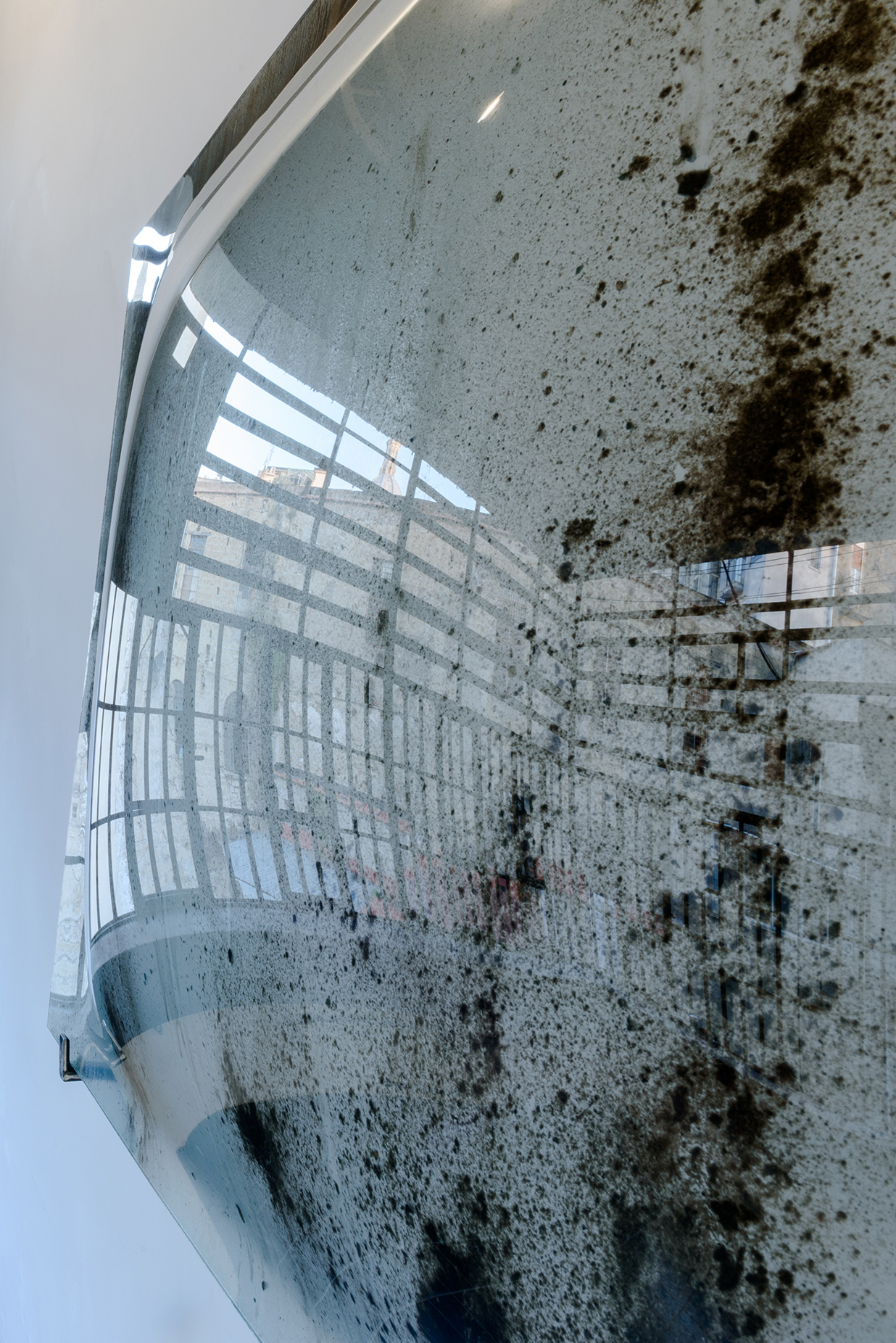
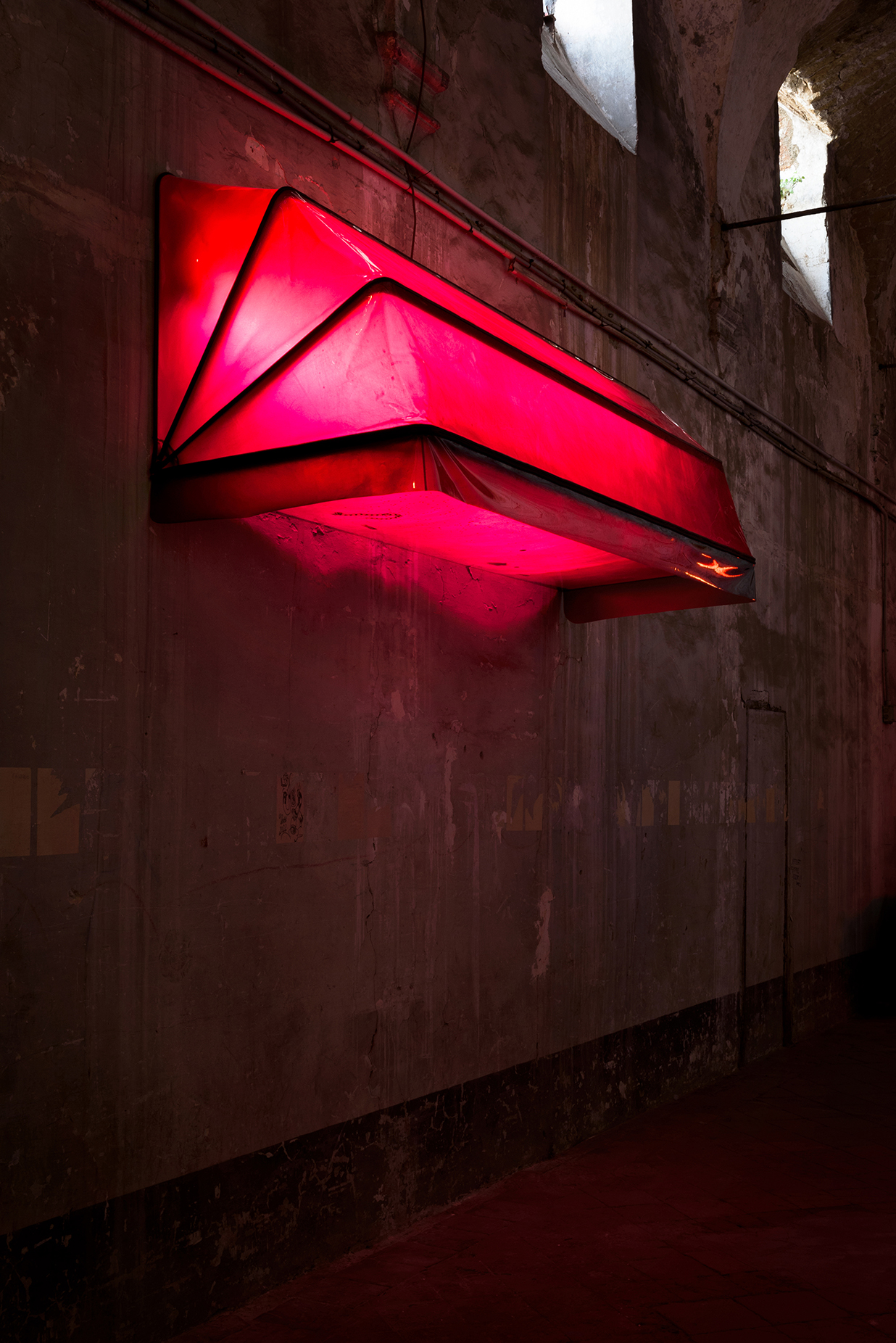
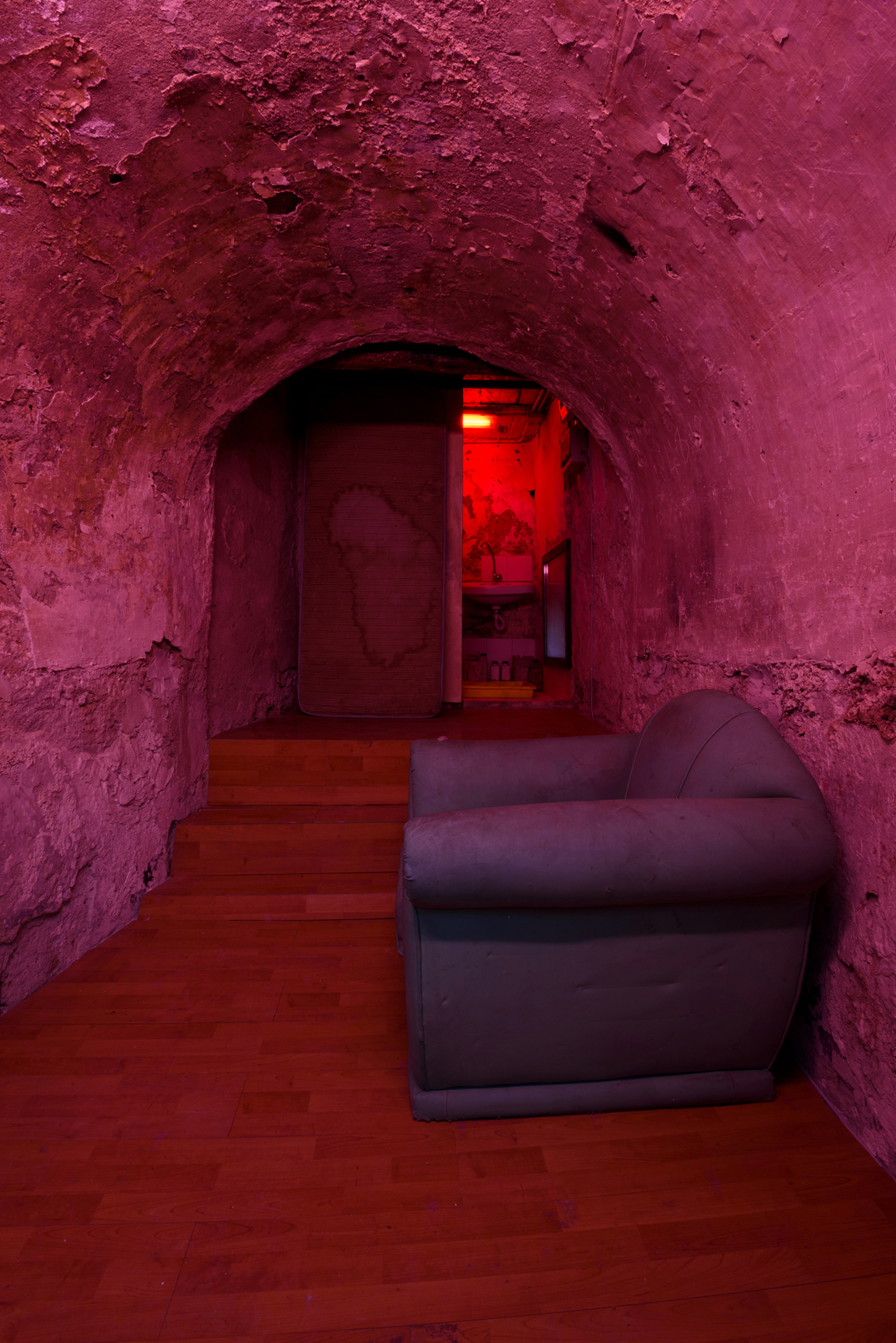
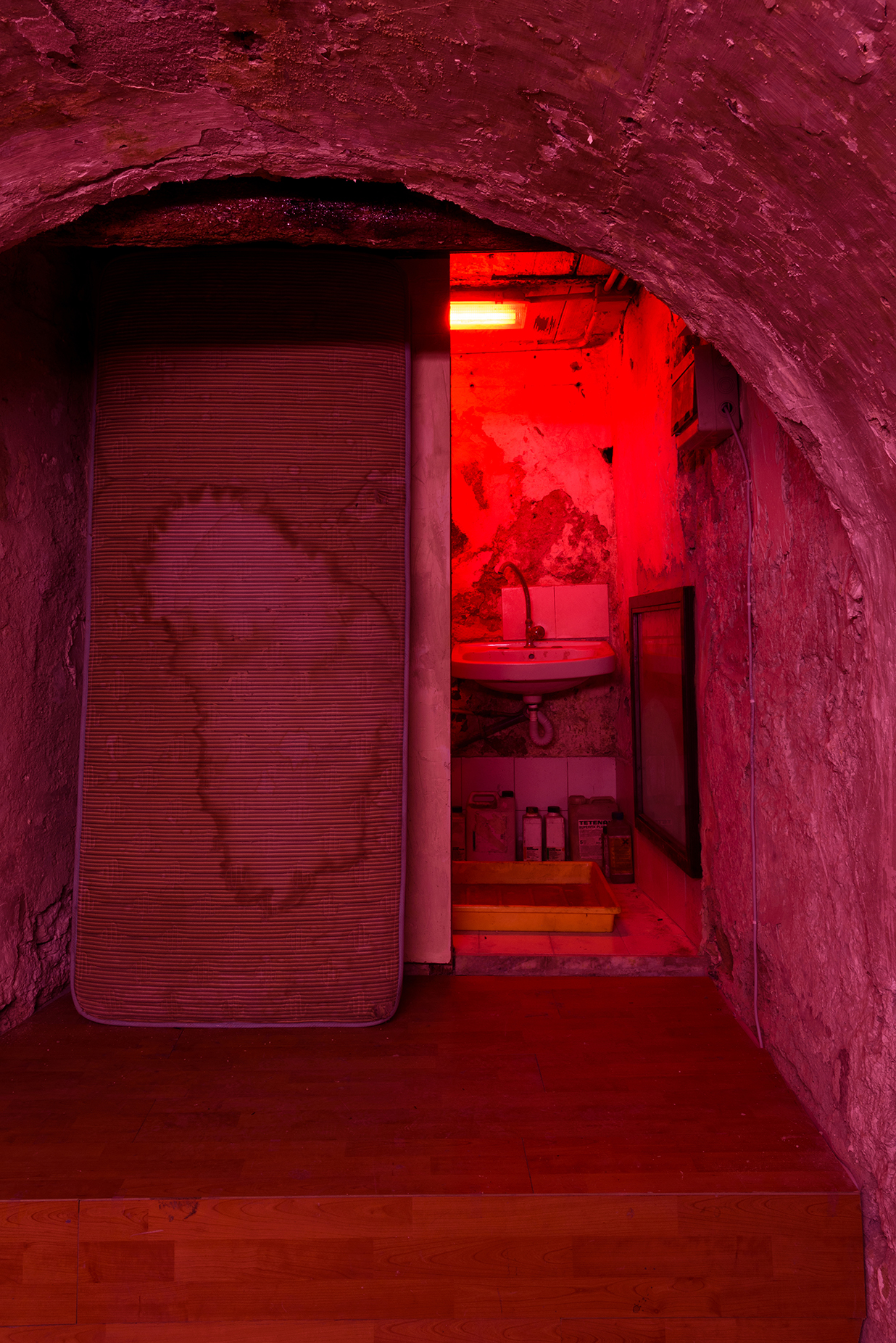
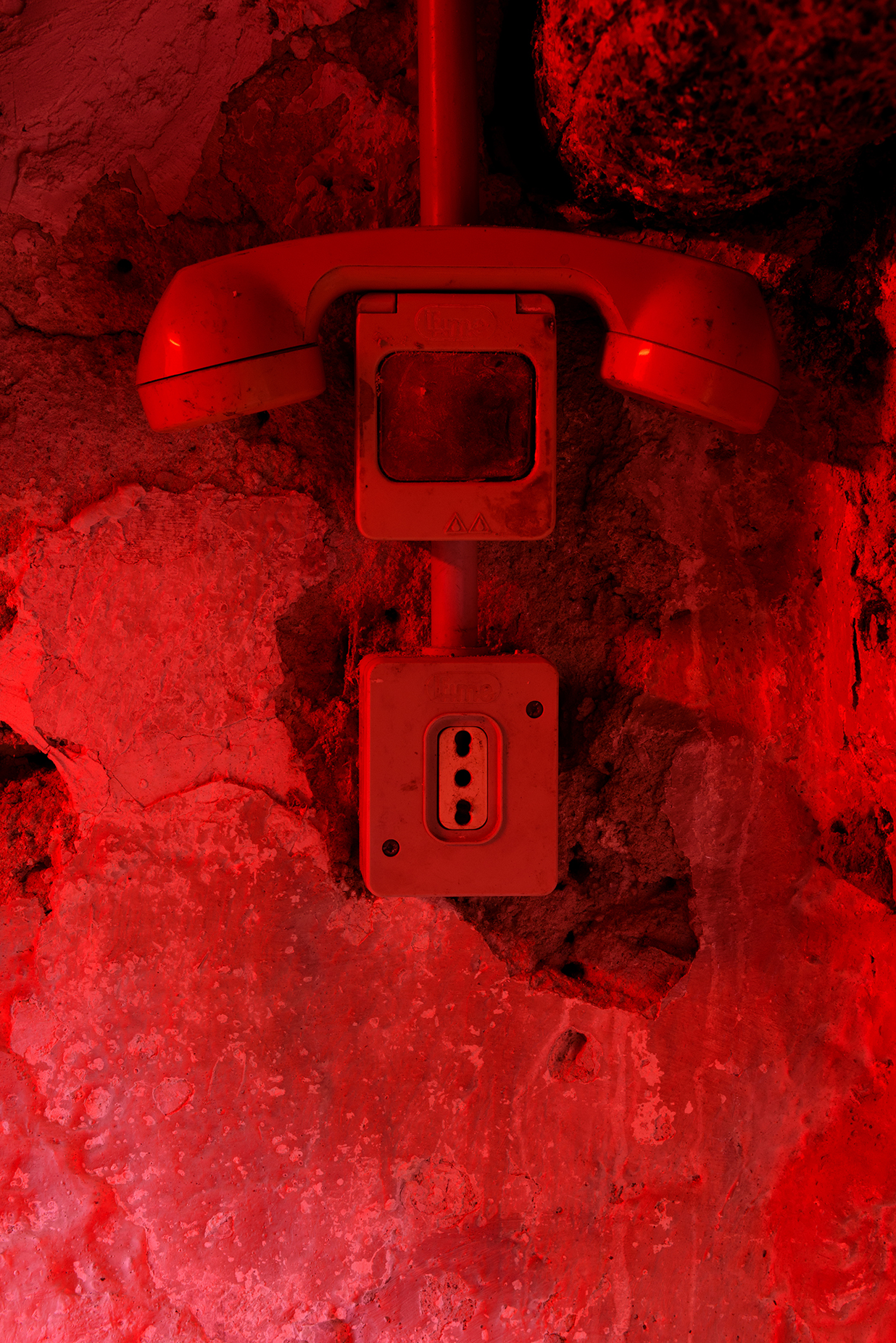
Within this context, the exhibition Male Extinction is presented as a rediscovery of an innate and untamed Self, as defined by author and Jungian psychoanalyst Clarissa Pinkola Estés, which has been suppressed by the prevailing culture. However, when women reconnect with their inner lives, which also nourish their outer existence, the term “wild” should no longer be interpreted in its contemporary sense of “uncontrolled.” Instead, it signifies the natural vitality that forms the very foundation of the feminine soul. For this reason, five internationally renowned artists, invited by curator Massimiliano Scuderi, are developing their works based on an interaction with the exhibition space and the former Lanificio, a Unesco-listed site rich in layered histories and events.
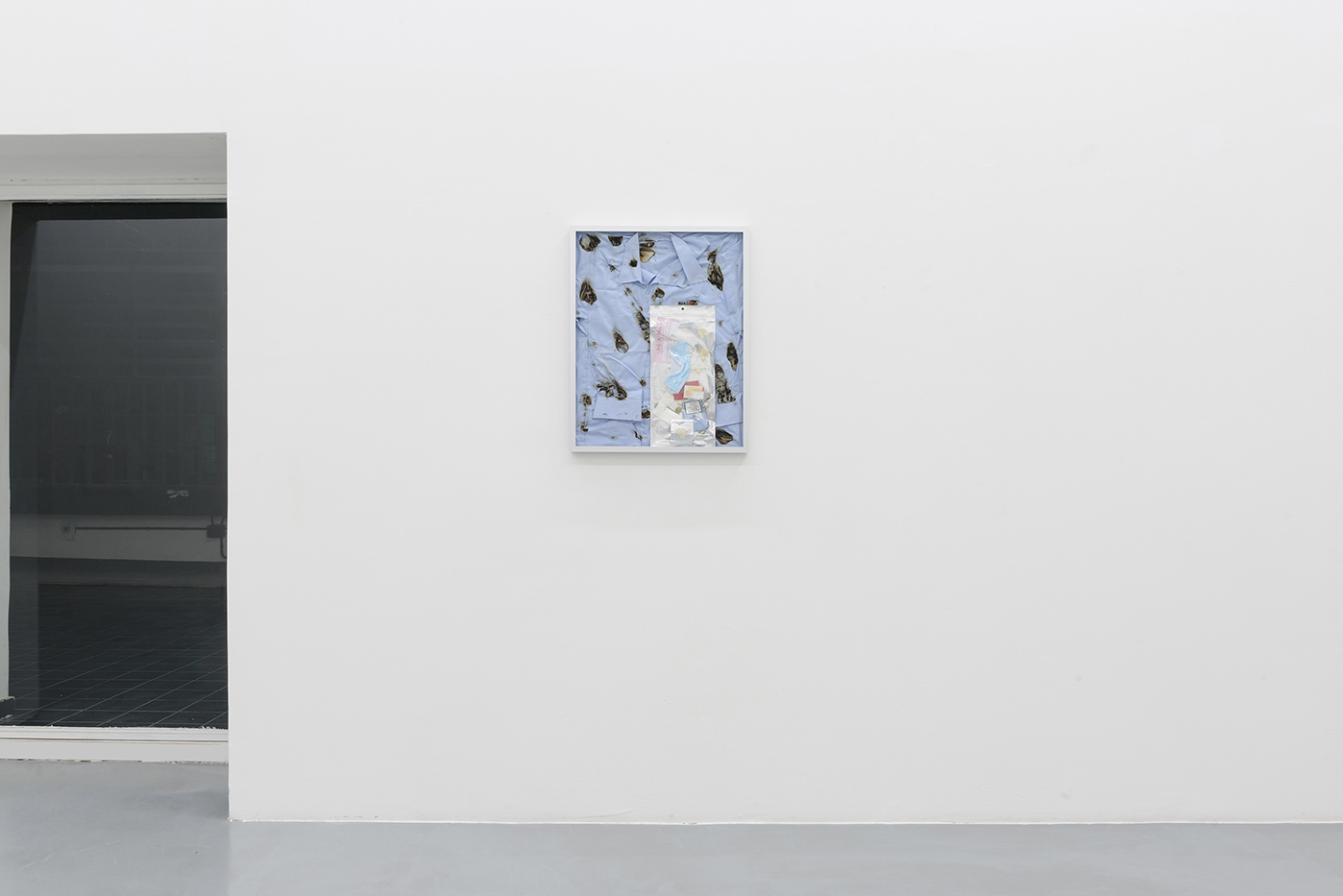
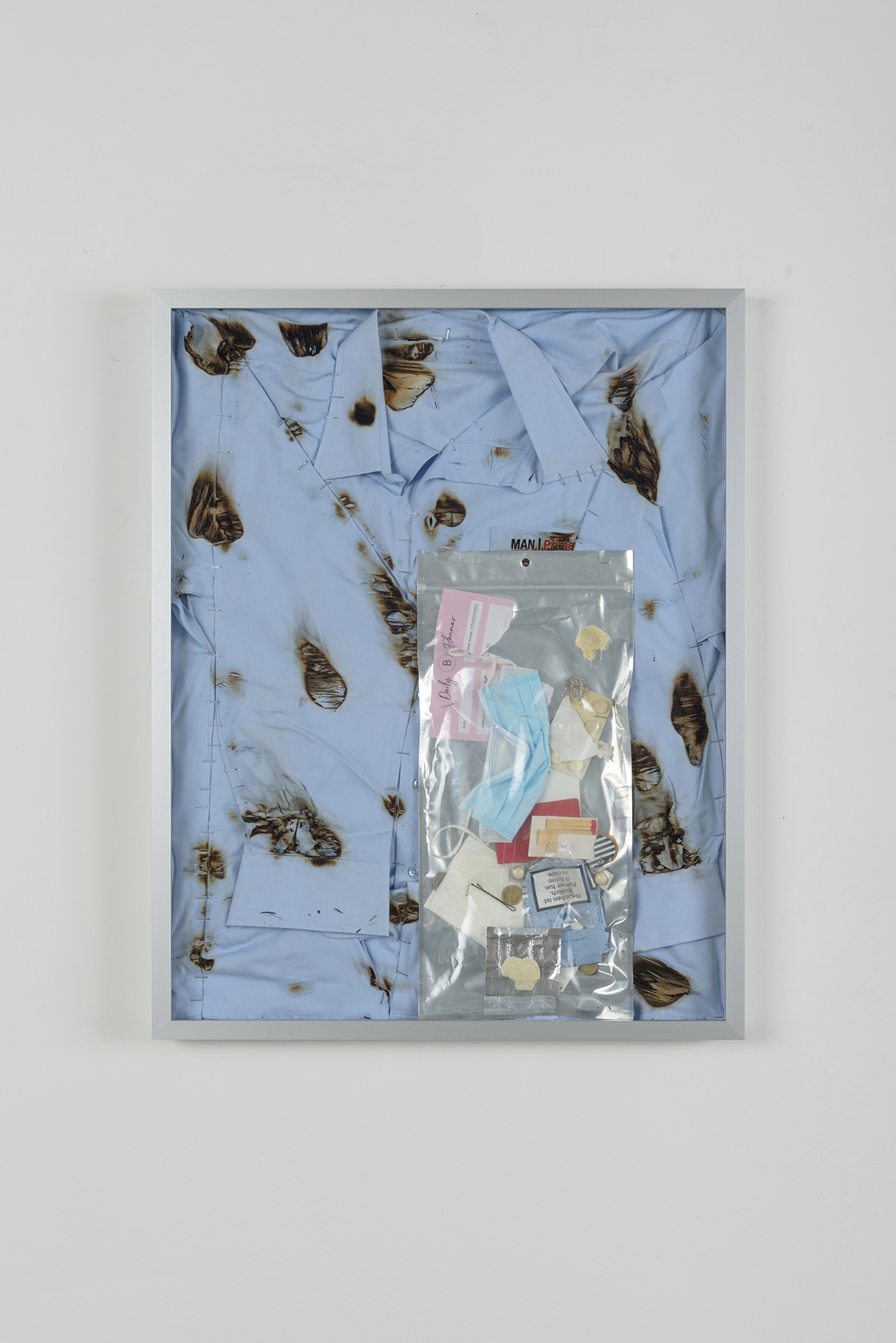
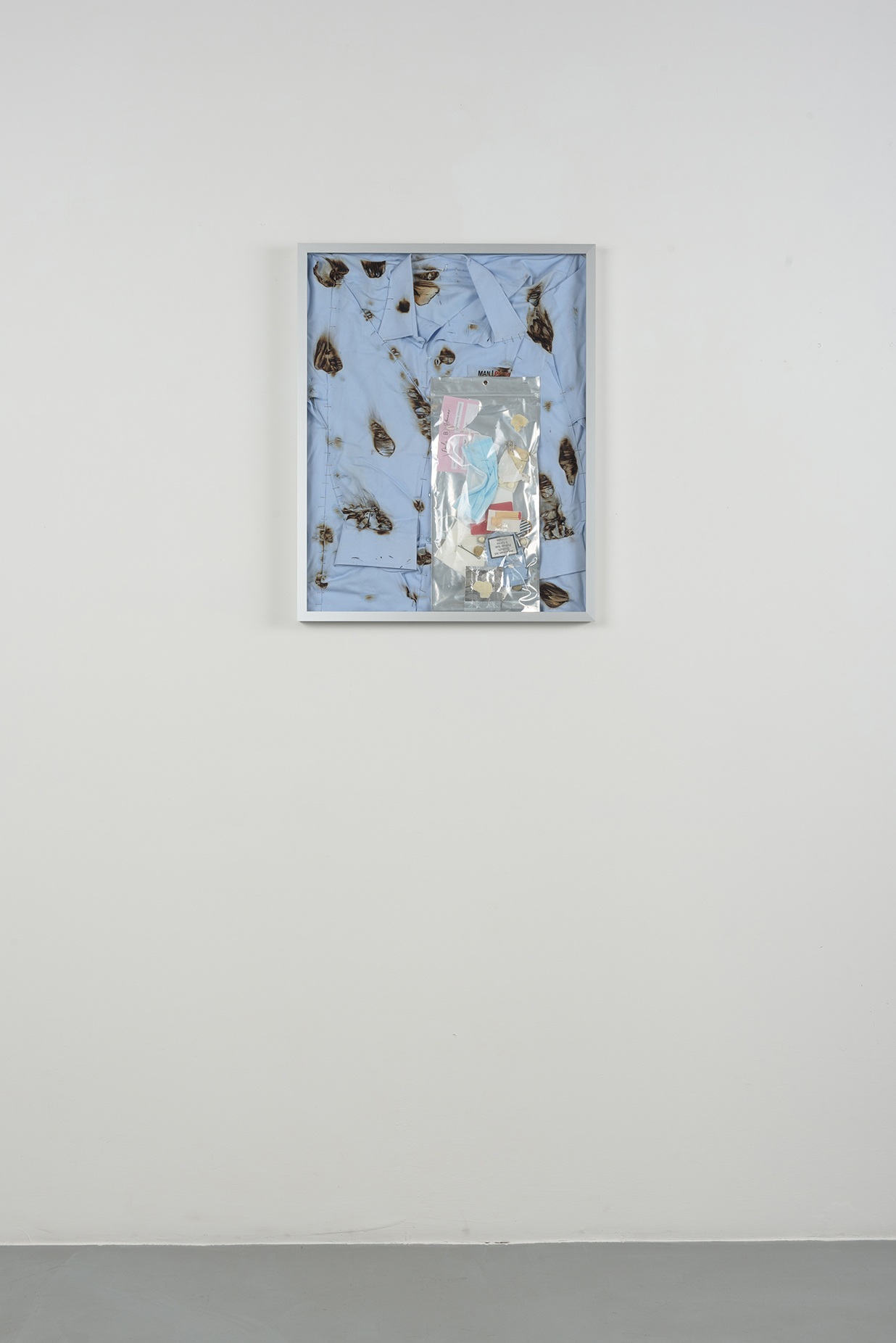
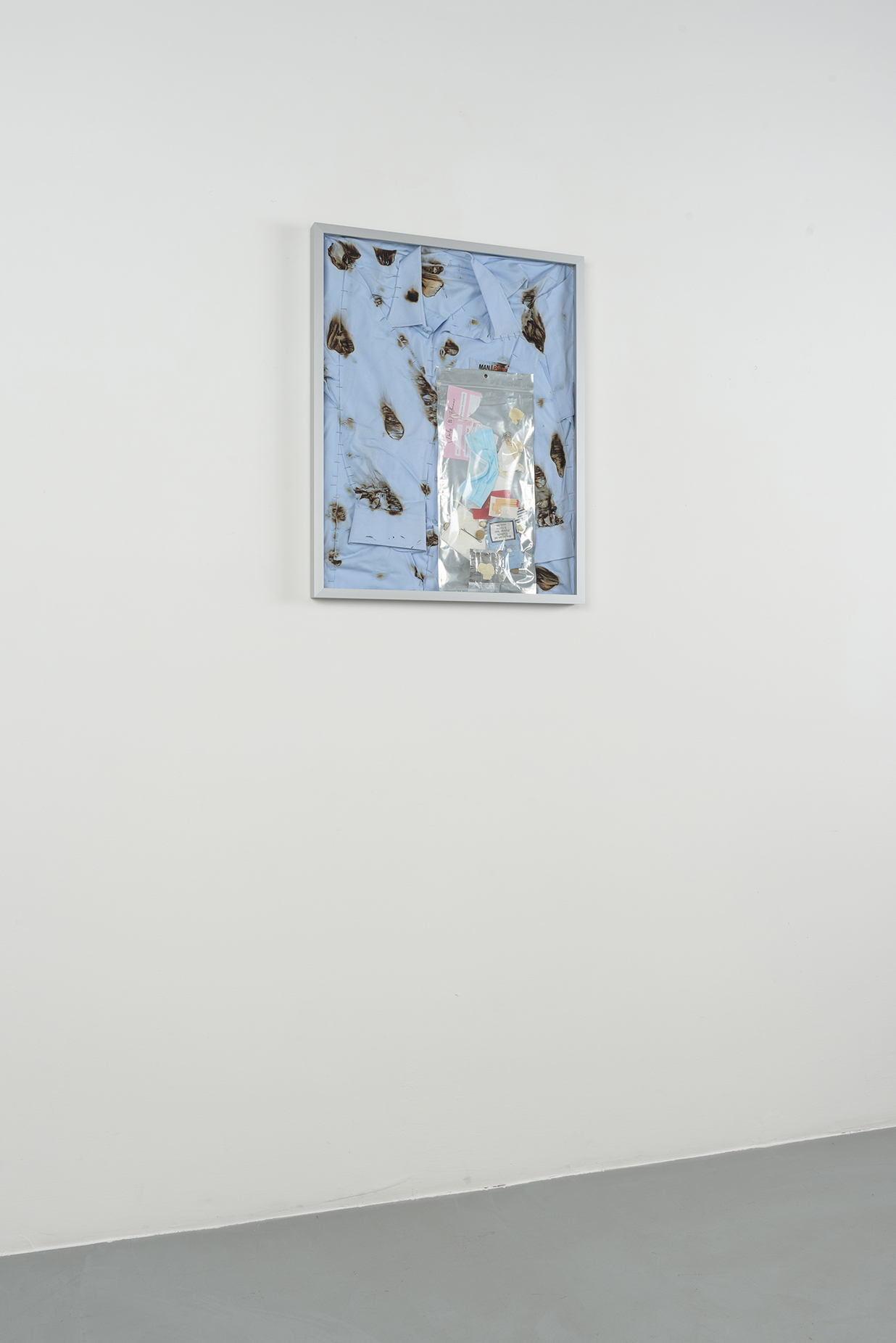
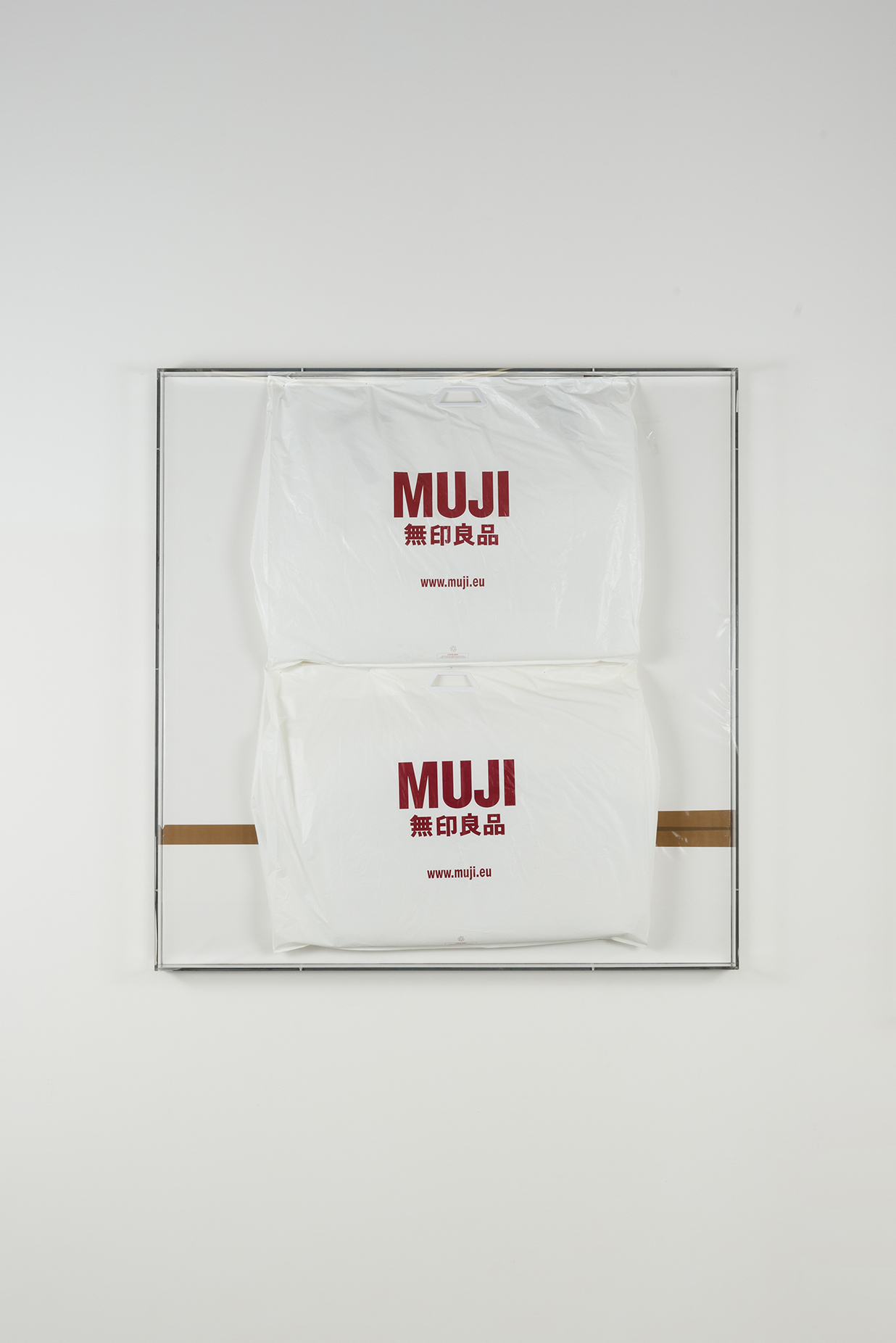
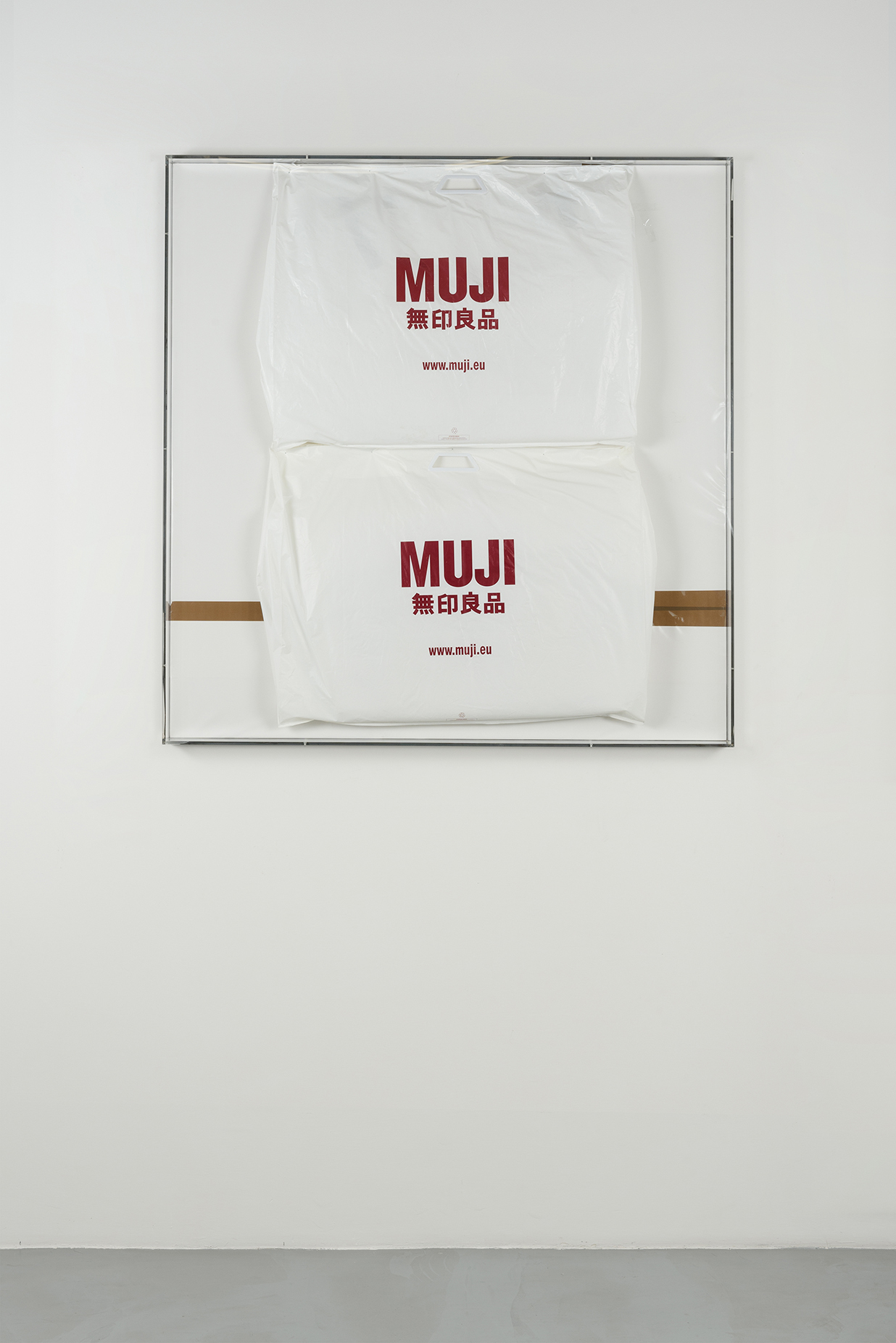
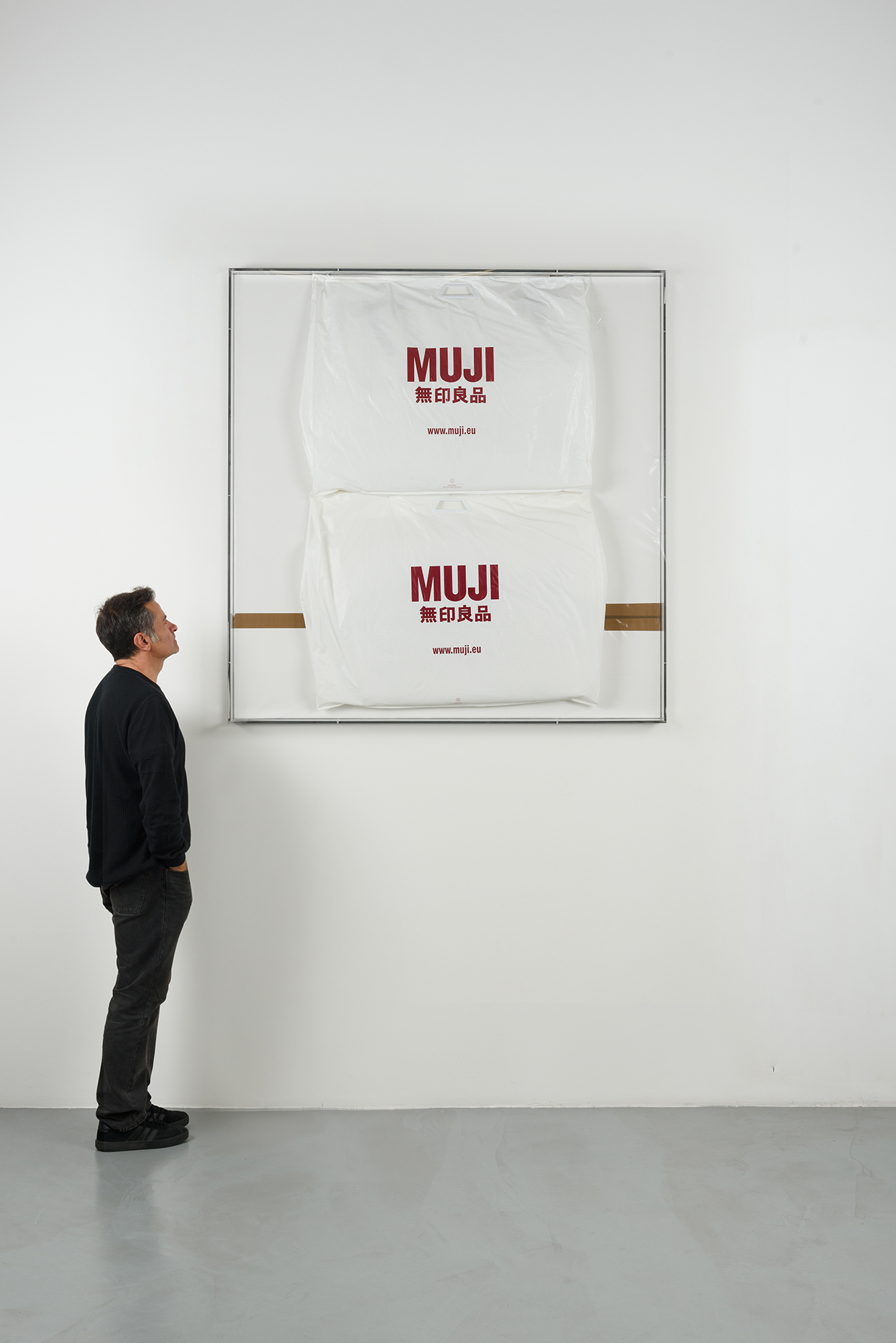
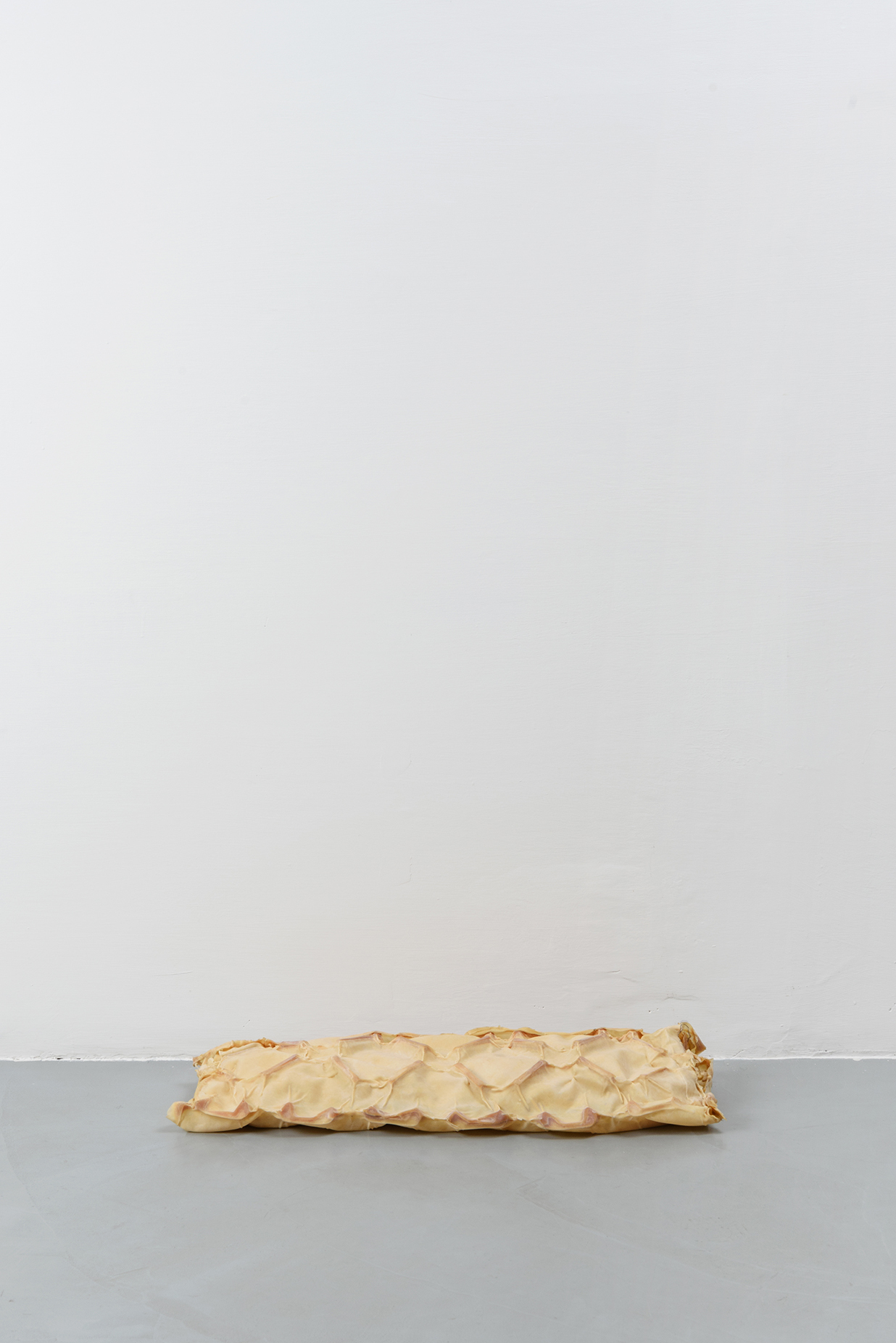
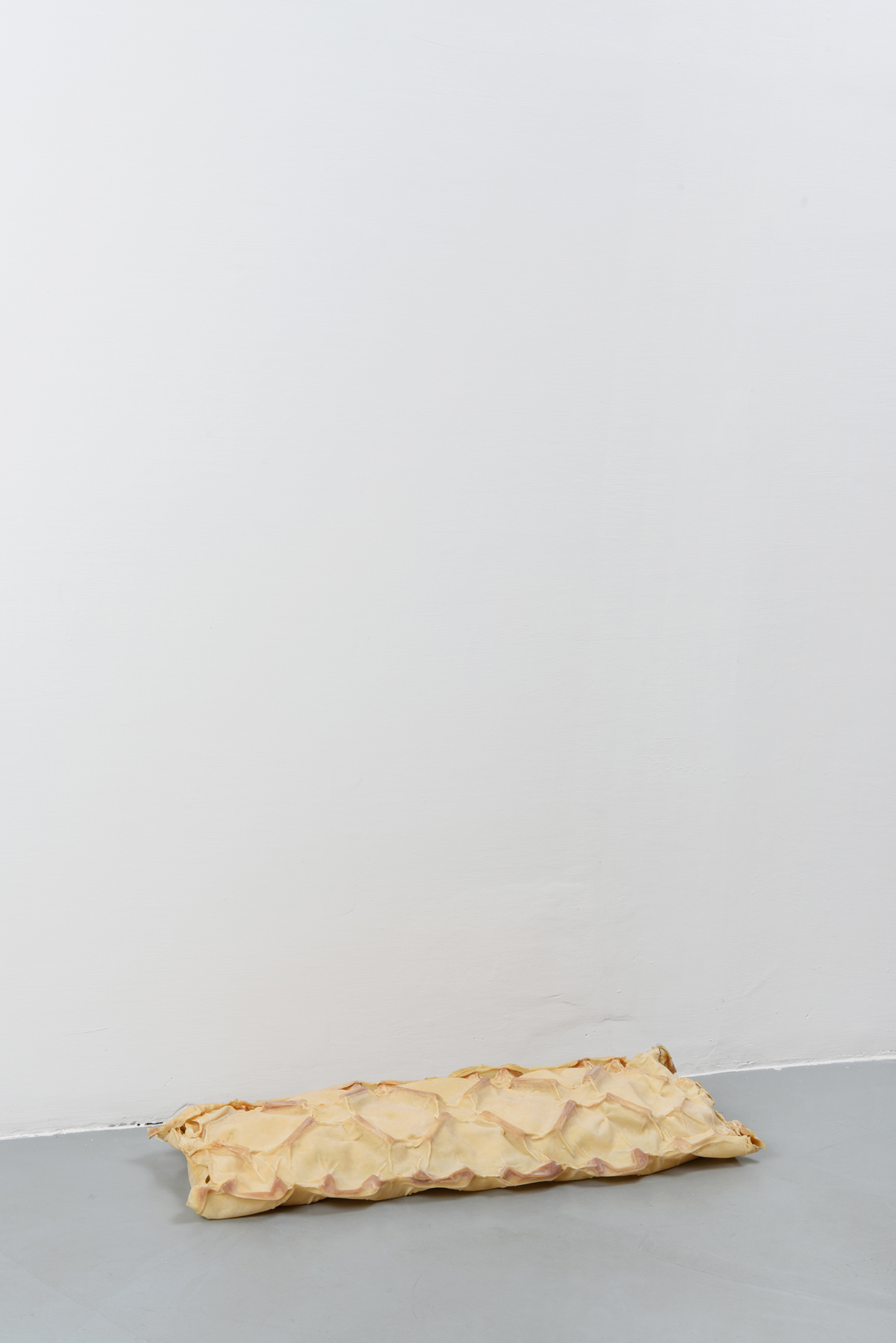
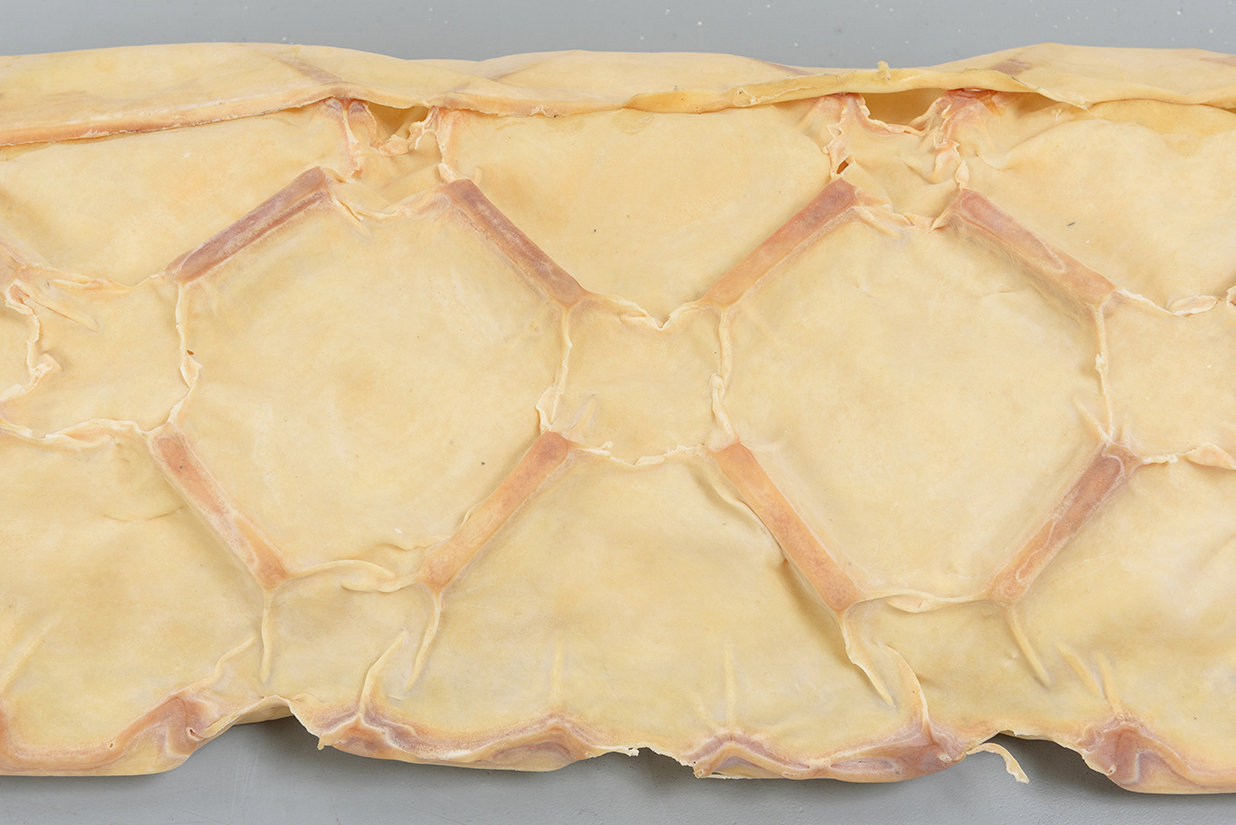
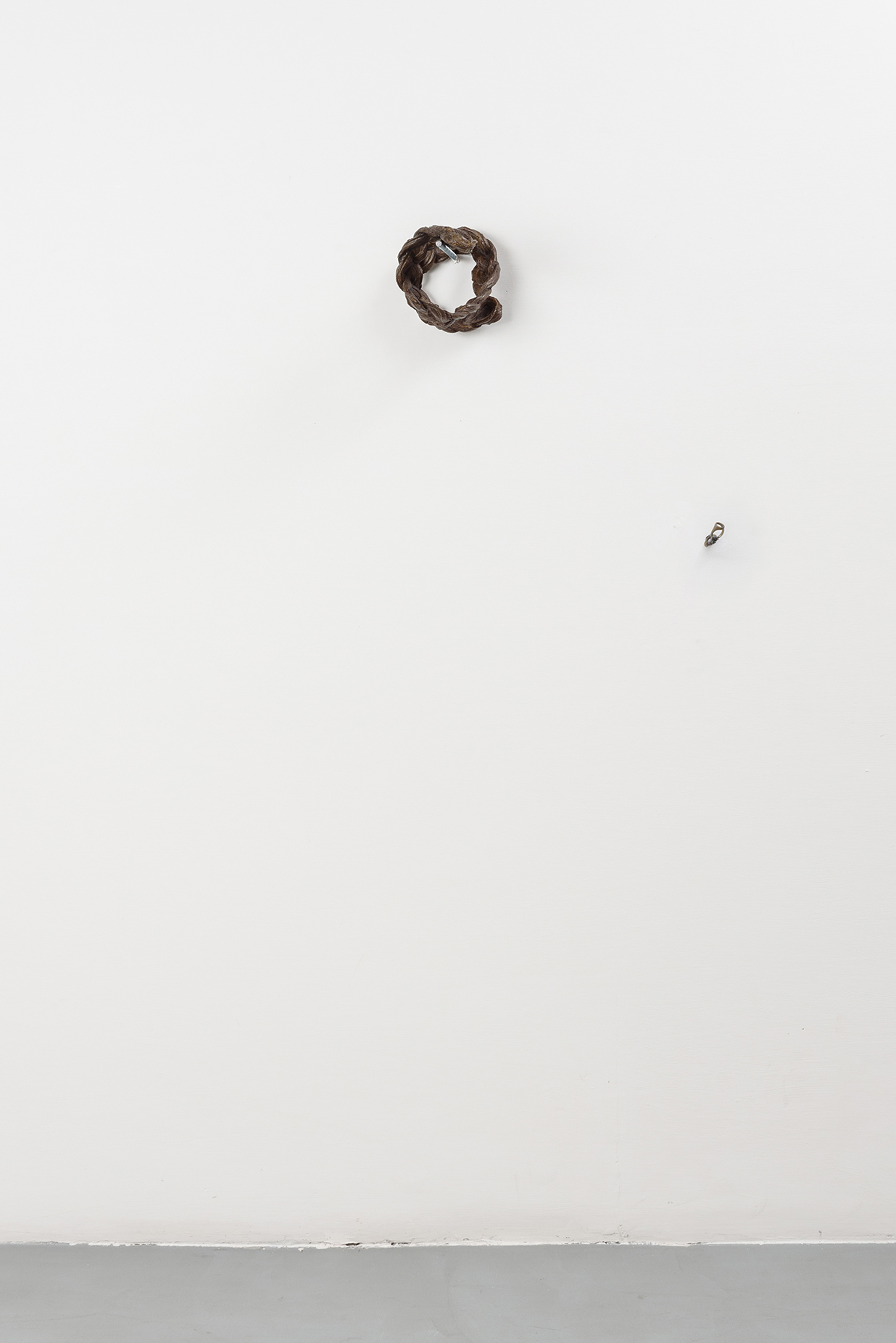
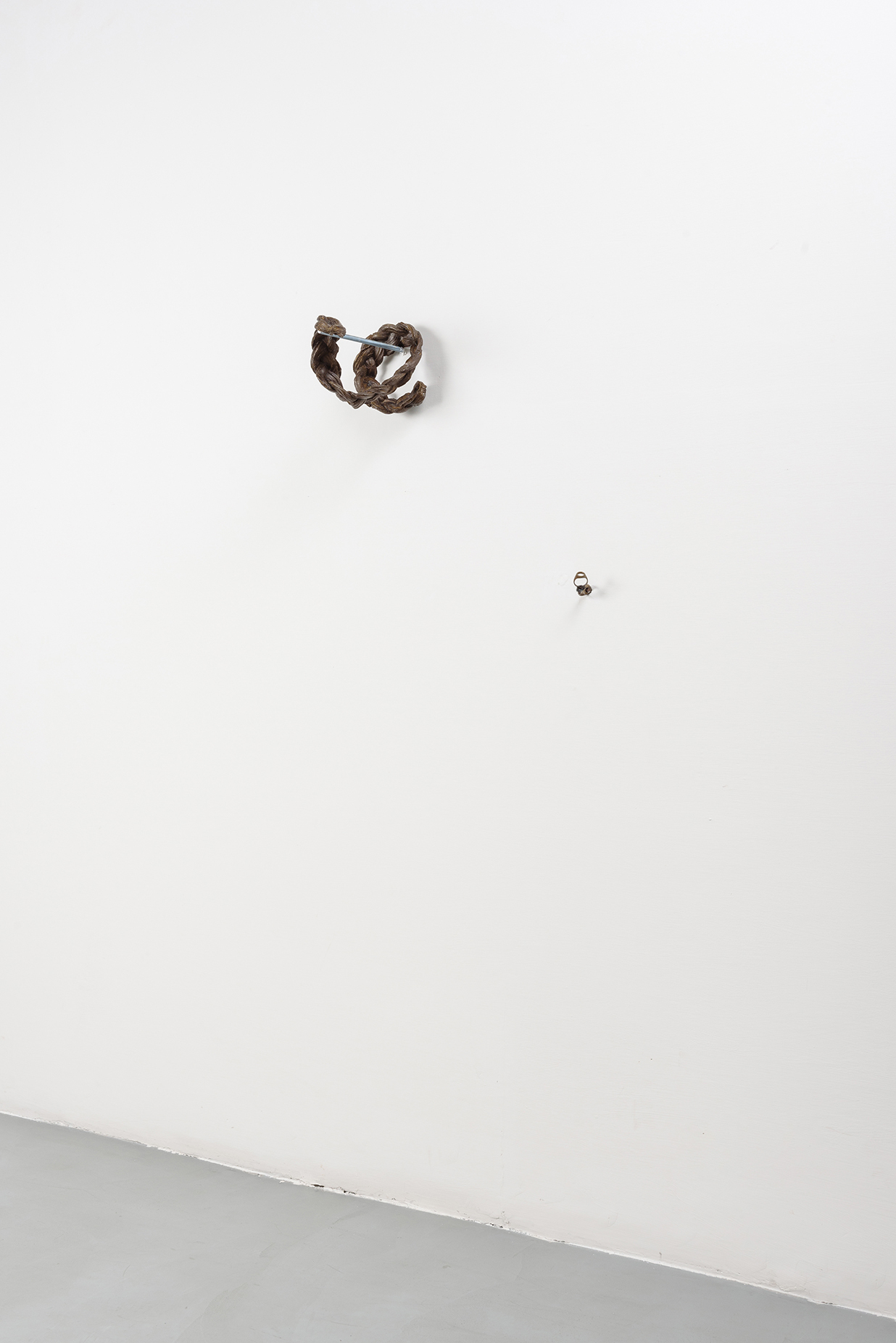
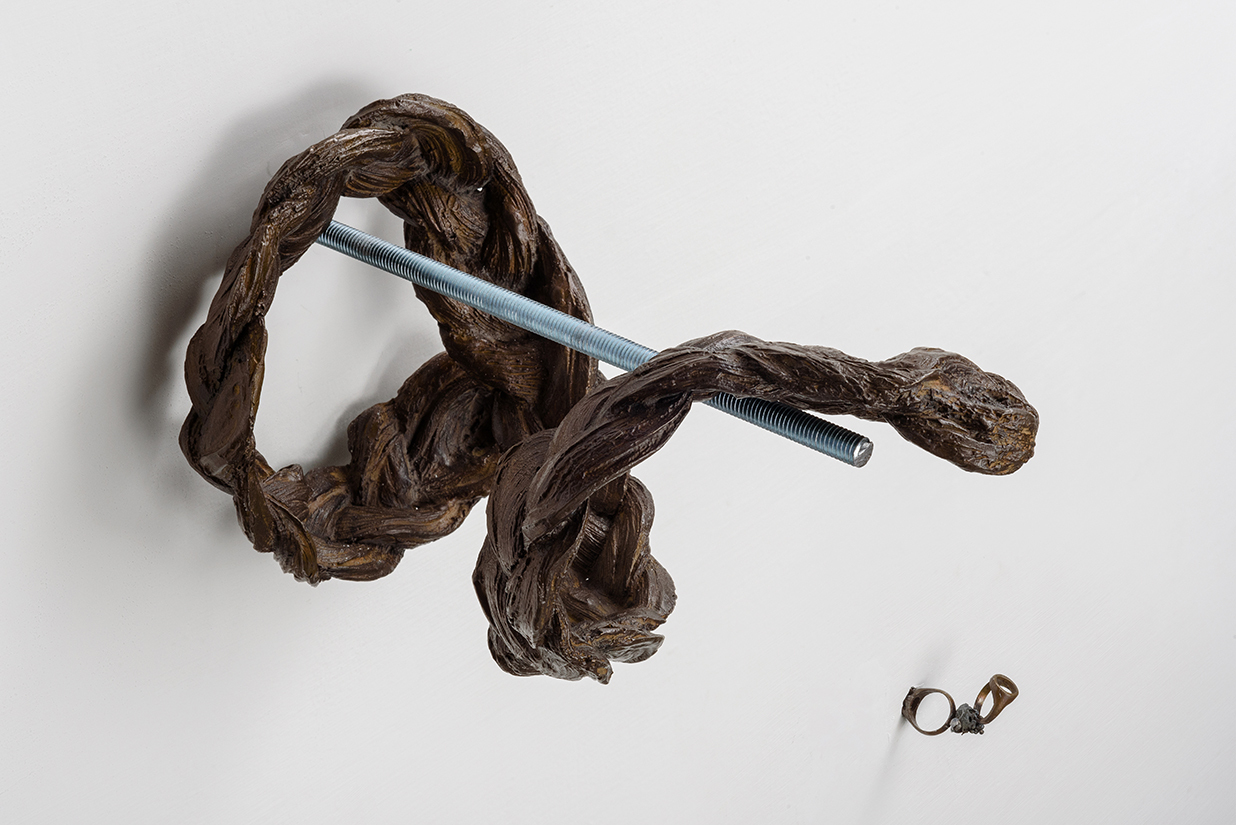
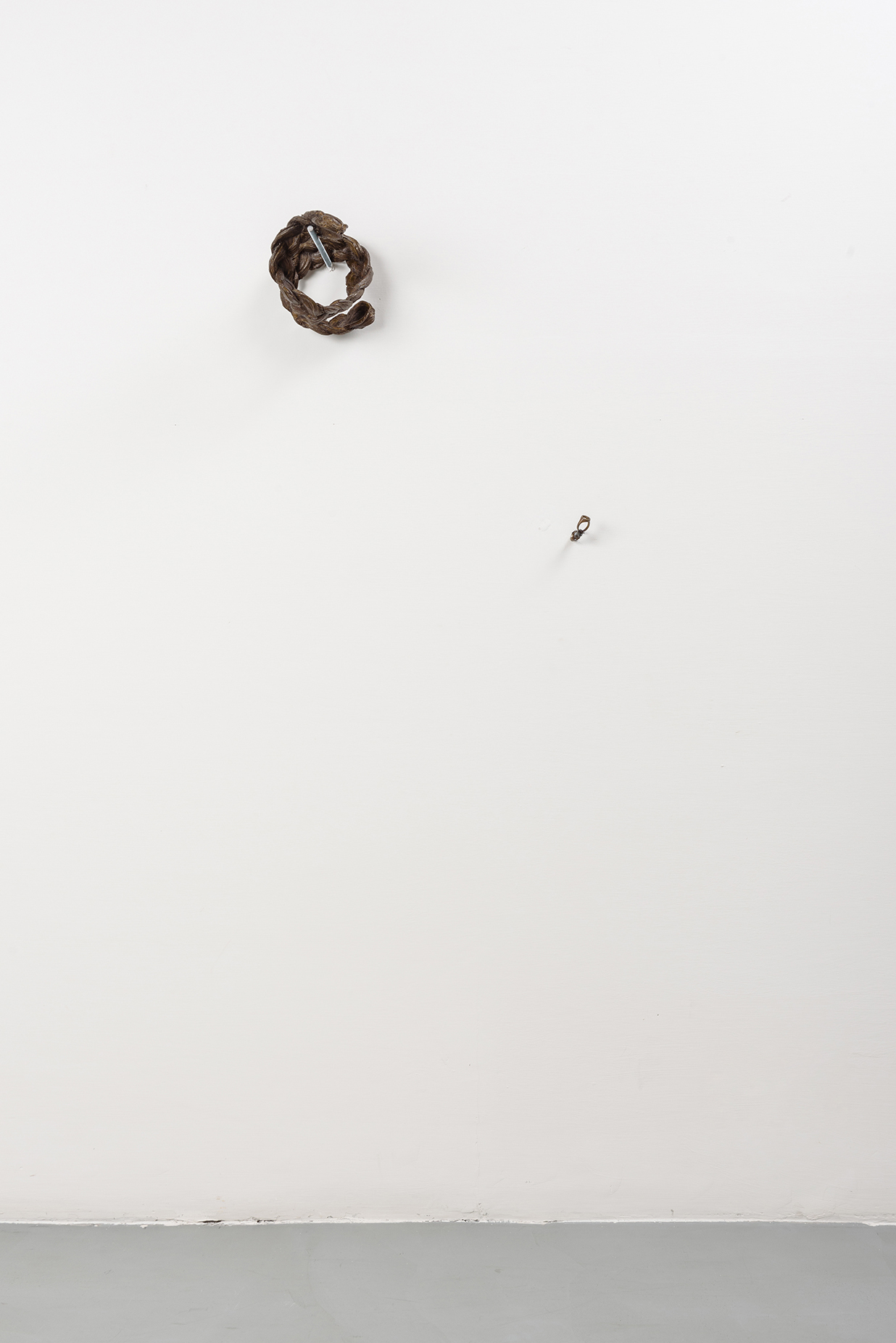
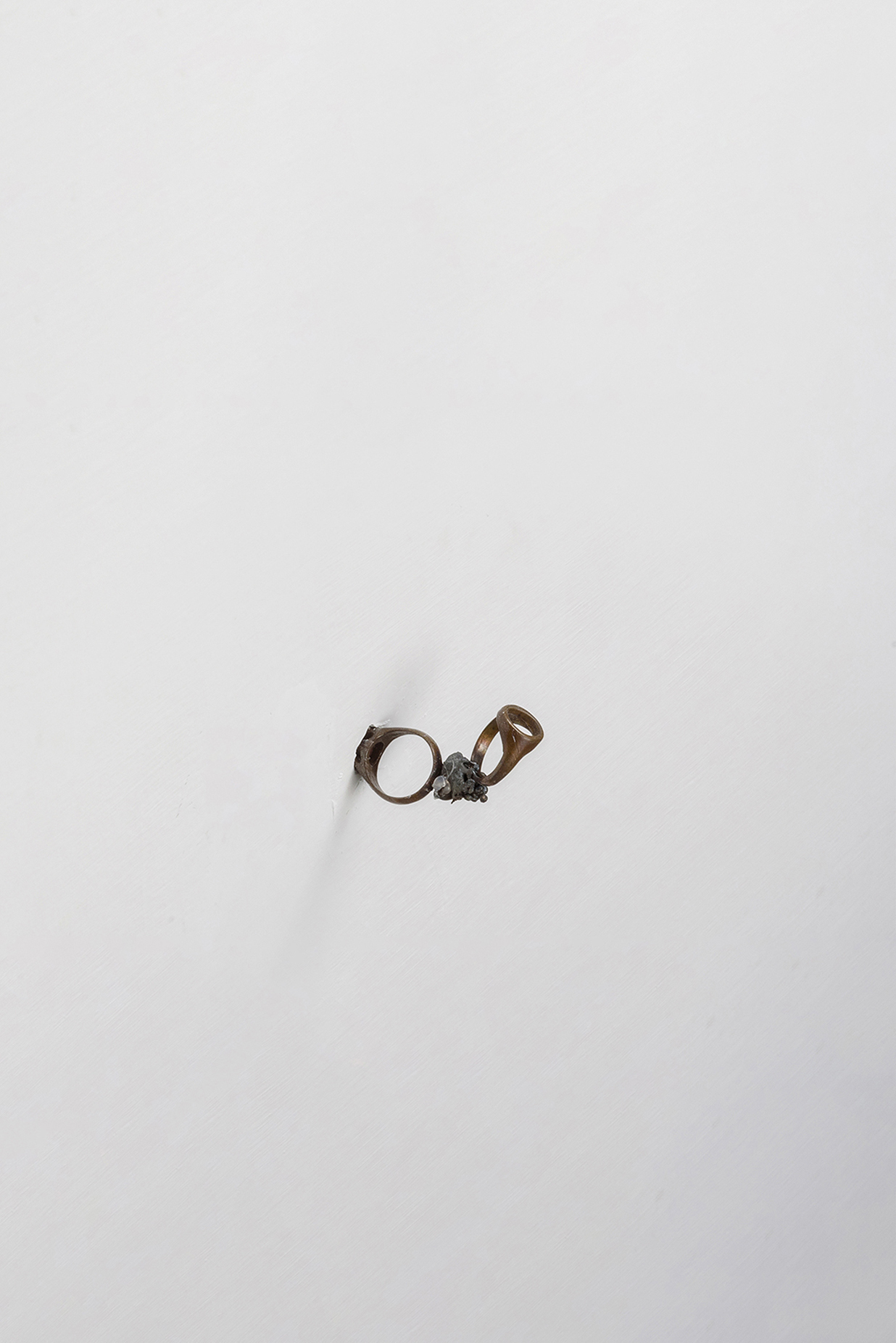
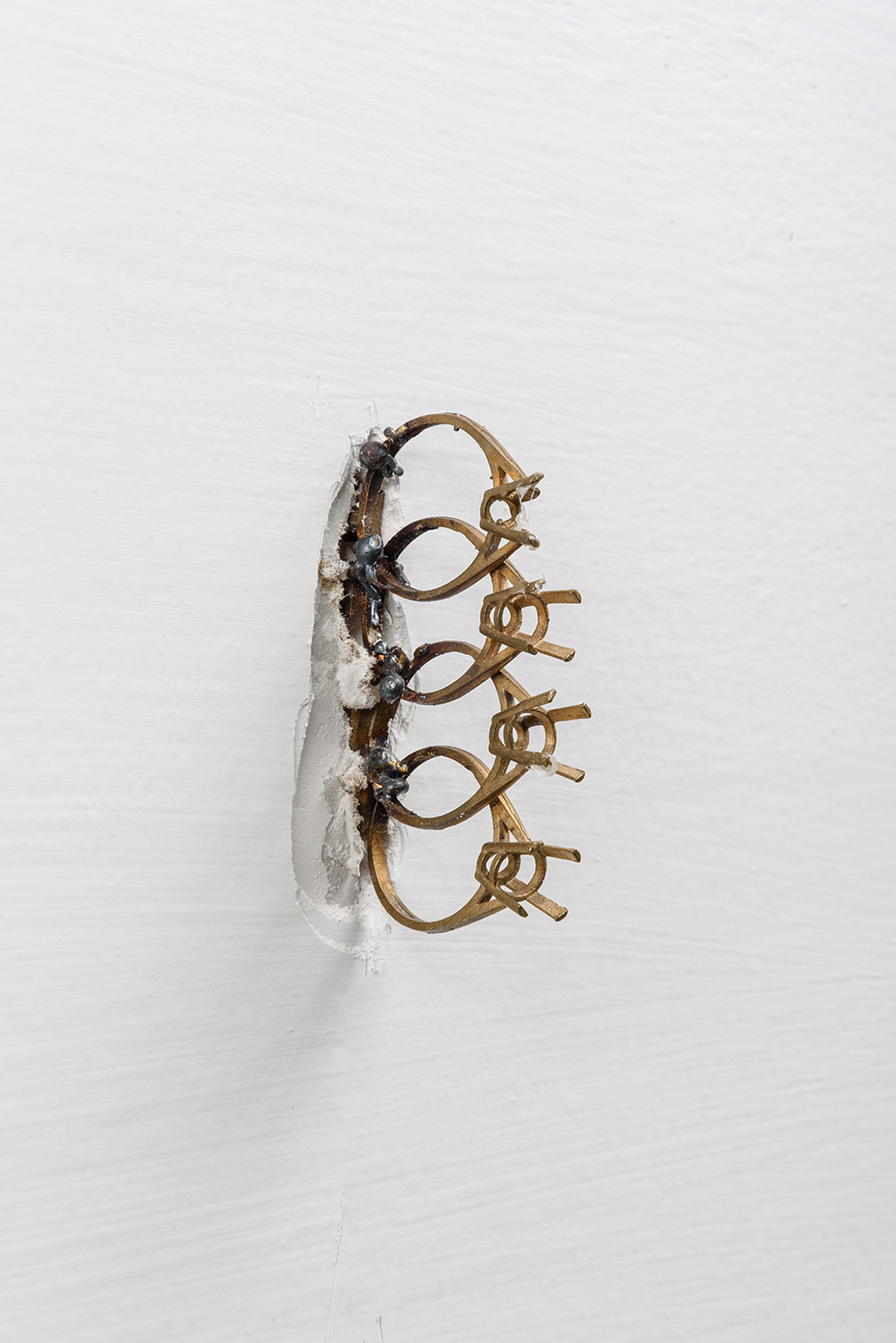
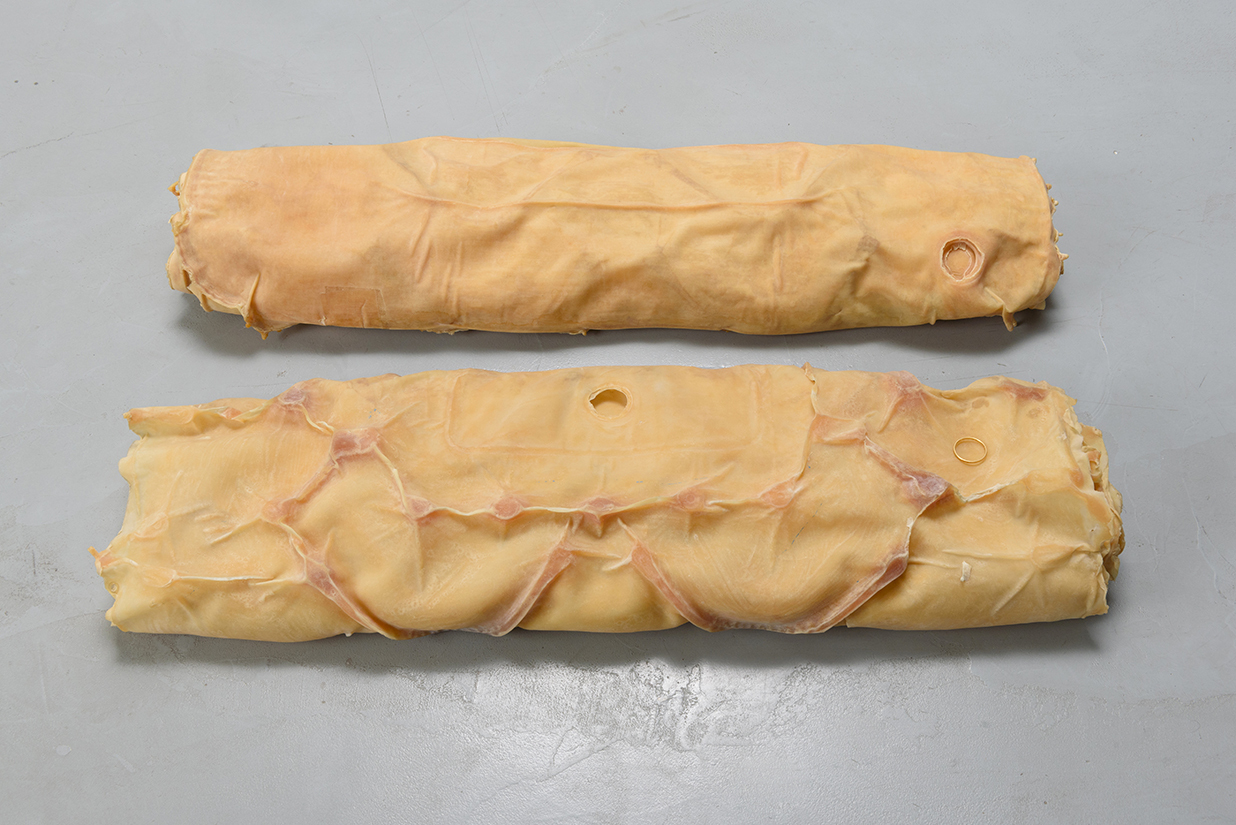
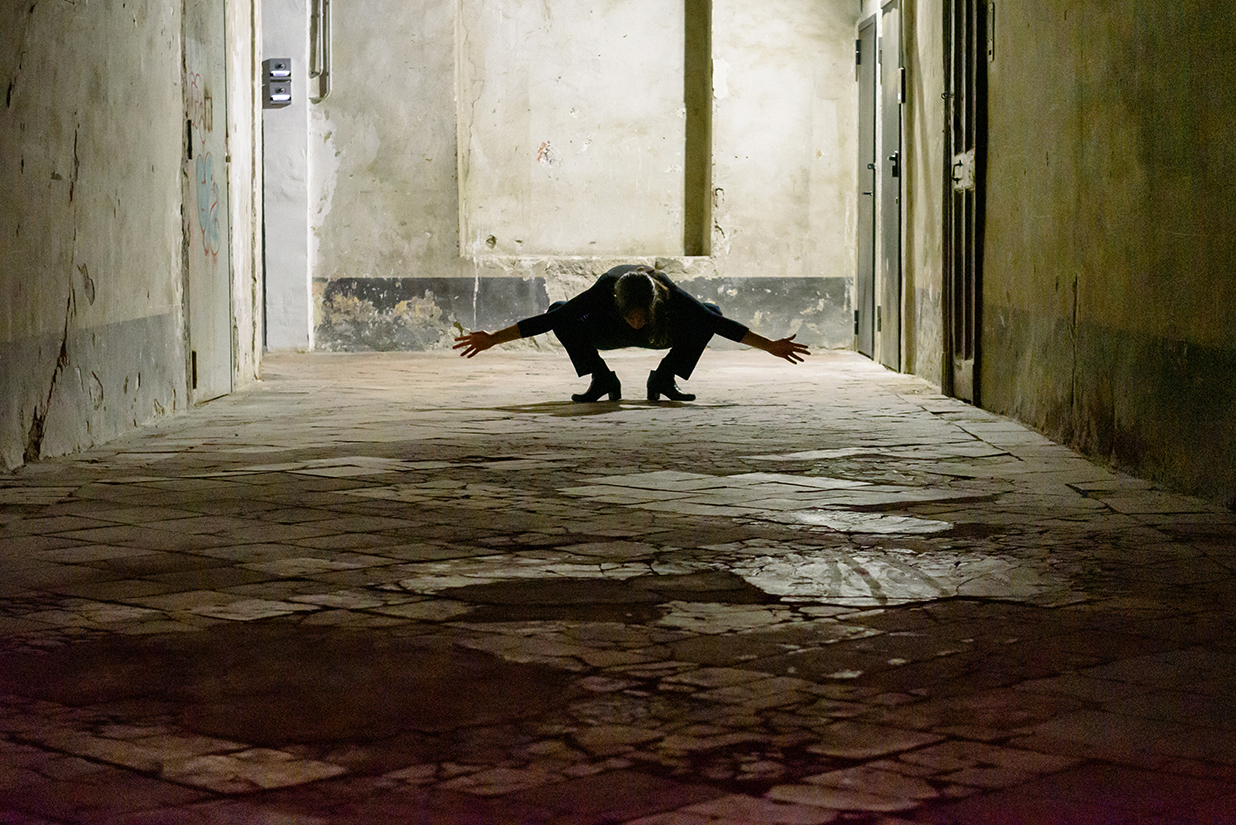
Eva Gold, sculptor and multidisciplinary artist from Manchester, now based in London, explores nuanced themes such as ambiguity, coercion, and systems of power. Miranda Secondari, a performer, uses her body to create architectural forms inspired by the unique characteristics of each place. Through her repeated everyday gestures, accompanied by bodily sounds and automatic movements, she crafts evocative, immersive visions. Caterina De Nicola is interested in the concept of glitch and often uses found objects and symbols to question the very essence of form, meaning, and aesthetic taste. Sitara Abuzar Ghaznawi, an artist of Afghan origin, creates works in the form of Cornelian boxes, presenting true narratives with everyday objects that reflect a class consciousness. The work Male Extinction, which also gives the exhibition its title, alludes to a world depopulated of cisgender men. Nora Aurekkoextea, a Basque artist, creates relational spaces through objects and bodies that build unstable architectures. Her creative process is inspired by unexpected life events, a cherished object, or a sudden intuition, allowing her to develop her work through its materiality and form. (MS)
Read less
The exhibition begins with a question: What might a future without men look like?
Recent studies by several geneticists suggest that the Y chromosome - a key factor in determining a person's gender - is starting to deteriorate. So, what could this mean for the future?
What is particularly intriguing, however, is a finding that, in some ways, overturns centuries of history and social narratives: evidence has emerged of a powerful role held by women dating as far back as the Stone Age.
A recent article published by the New Scientist Magazine highlights an important archaeological discovery that sheds new light on the roles of women in the Stone Age. The research indicates that women of that era often held prominent positions as rulers, warriors, hunters, and shamans. Often, however, the discovery of skeletal remains led researchers to presume they belonged to male individuals. In 2008 near Seville, Spain, archaeologists uncovered the burial of a young individual surrounded by...
Read more